
Bifocal Dive Mask Guide: Expert Tips for Perfect Vision 2026
Struggling to see clearly underwater is a common challenge for divers, especially as vision changes with age. The latest innovations in bifocal dive mask technology are transforming underwater experiences in 2026, offering crisp, reliable sight beneath the surface.
This comprehensive guide delivers expert advice and practical tips to help you achieve perfect vision with the right bifocal dive mask. You will discover what sets these masks apart, who benefits most, how to choose the ideal type, recent advancements, fitting and care strategies, and professional recommendations for seamless underwater exploration. Ready to experience unmatched clarity on your next dive? Let’s dive in.
Understanding Bifocal Dive Masks
Exploring the underwater world requires clear vision, yet many divers struggle with seeing both close and distant objects. The bifocal dive mask is a specialized solution designed to address these challenges, offering enhanced clarity and confidence beneath the surface.
What Are Bifocal Dive Masks?
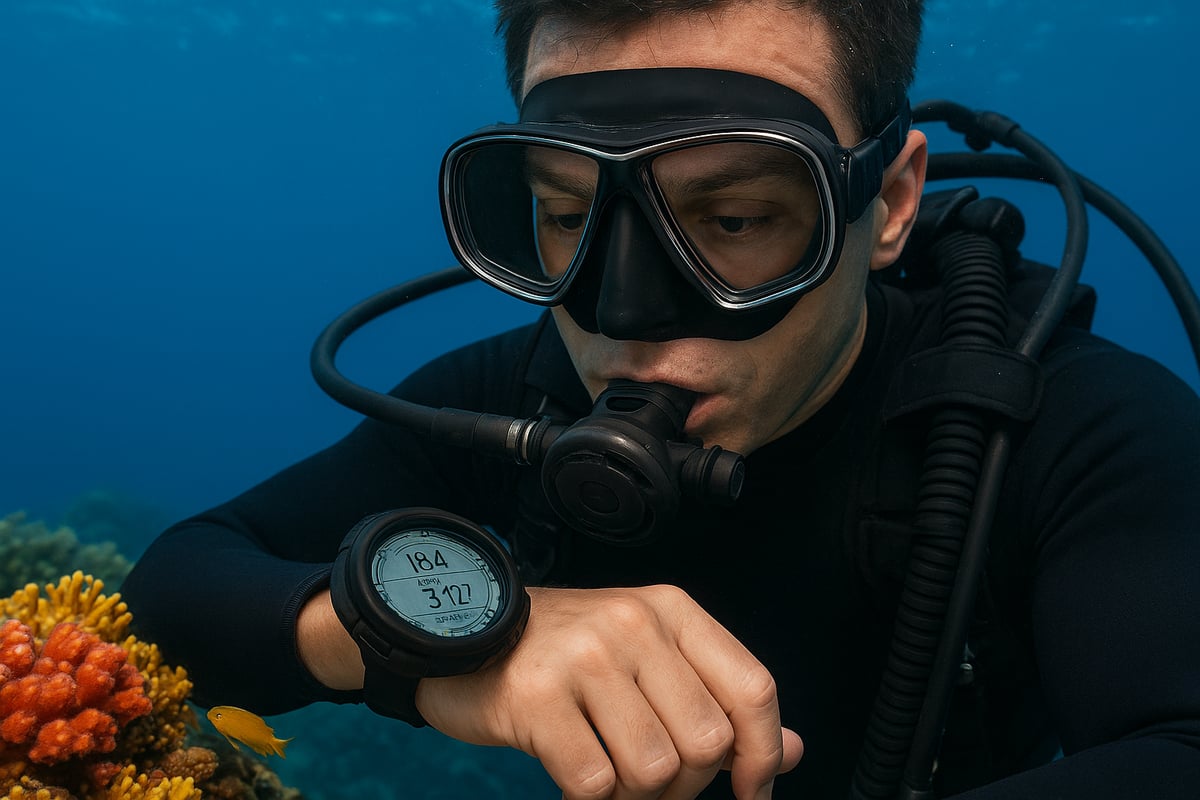
A bifocal dive mask is a type of scuba mask that incorporates two optical segments in each lens. The upper portion corrects distance vision, while the lower segment is designed for reading gauges, computers, or camera settings up close.
Unlike standard dive masks, which offer only a single lens prescription or none at all, bifocal versions cater to divers with presbyopia or similar vision challenges. As divers age, particularly past 40, near vision naturally declines. According to global research, presbyopia affects a significant portion of the diving community.
Historically, divers relied on standard masks and struggled to read instruments. The evolution of the bifocal dive mask, including the Franklin Split lens, has transformed underwater vision, making it easier to spot marine life details and monitor vital equipment. For example, a diver in their mid-40s may suddenly notice difficulty reading their air gauge, highlighting the importance of this innovative solution.
Who Needs a Bifocal Dive Mask?
The bifocal dive mask is ideal for divers experiencing presbyopia, astigmatism, or those with both near and distance vision needs. Most commonly, divers over 40 find these masks essential, as age-related vision changes become more noticeable.
Clear vision is not just about comfort, it is also a critical safety factor. Missing a low-pressure reading or misinterpreting hand signals can lead to dangerous situations underwater. Professional divers, such as instructors, underwater photographers, and technical divers, often require precise close-up vision to perform their tasks safely and efficiently.
Consider a scenario where a diver misses a decompression stop on their computer due to blurry vision. The bifocal dive mask acts as a safeguard, ensuring vital information is always visible.
How Bifocal Dive Masks Work Underwater
The bifocal dive mask features a unique lens structure: the top section corrects distance vision, while a reading segment is bonded to the lower portion. This allows divers to quickly glance down and see gauges or cameras clearly, without removing the mask or straining their eyes.
Water magnifies objects and alters visual perception, so the positioning of the bifocal segment is crucial. Unlike on-land bifocals, underwater masks are calibrated to compensate for water’s optical effects. The segment sits low enough for easy gauge viewing, yet does not interfere with the main field of vision.
For more technical details on how these masks function and improve gauge vision, see the Prescription Reading Diving Masks Explained guide. Switching focus from distant reefs to a wrist computer becomes seamless, enhancing both safety and enjoyment.
Benefits of Bifocal Dive Masks
Choosing a bifocal dive mask delivers several key advantages:
- Enhanced safety by allowing accurate reading of instruments and dive computers.
- Greater enjoyment through the ability to observe intricate marine life details up close.
- Reduced eye strain and fatigue, especially during extended dives.
- Versatility for both recreational and professional divers.
A recent diver survey revealed that over 85% of users reported higher satisfaction and confidence when using a bifocal dive mask compared to standard models. Whether you are a casual snorkeler or a professional photographer, the right mask can transform your underwater experience.
Types of Bifocal Dive Masks: Standard vs. Franklin Split
Choosing the right bifocal dive mask is essential for clear underwater vision, especially as more divers seek specialized solutions in 2026. With advancements in optical technology, divers now have two primary bifocal dive mask types to consider: Standard and Franklin Split. Understanding the differences between these options helps ensure your underwater experience is both safe and enjoyable.
Standard Bifocal Dive Masks
A standard bifocal dive mask features a small reading segment bonded to the lower part of each lens. This design offers single vision correction for distance, with a distinct section for near vision tasks like reading gauges. Most prescription options focus on basic near-vision correction, making them ideal for divers who need just a slight boost in clarity up close.
However, the reading area is narrow, which can limit the field of view when looking down. Compatibility with mask frames is generally good, but some styles may not support this lens type. Standard bifocal dive mask models are especially popular among entry-level users who require straightforward correction.
Franklin Split (Executive Bifocal) Dive Masks
The Franklin Split, or executive bifocal dive mask, utilizes two full-width lens segments. The top segment is for distance vision, while the entire lower portion is for near vision. This structure provides a much wider reading area, reducing distortion and offering edge-to-edge clarity for critical underwater tasks.
These masks are preferred by divers with high prescription needs, professionals, and underwater photographers who demand precise near vision. However, not all mask frames accommodate the Franklin Split design, so checking compatibility is vital. For example, a marine photographer might choose a Franklin Split bifocal dive mask to ensure every detail is in focus during shoots.
Key Differences: Standard vs. Franklin Split
Comparing these bifocal dive mask types reveals important distinctions:
| Feature | Standard Bifocal Mask | Franklin Split Mask |
|---|---|---|
| Reading Area | Small segment | Full-width segment |
| Field of View | Limited downward | Broad, edge-to-edge |
| Adaptation Period | Short | May require adjustment |
| Prescription Range | Basic | Complex/high needs |
| Durability | High | Slightly thicker lens |
User preference data from dive shops indicates that entry-level divers often start with standard masks, while experienced divers upgrade to Franklin Split for enhanced performance. Each bifocal dive mask offers unique strengths depending on the diver's needs and experience.
Choosing the Right Type for Your Needs
Selecting the best bifocal dive mask requires careful assessment of your prescription and diving habits. Start by reviewing your eye prescription and considering whether you need correction for distance, near, or both. Next, evaluate mask fit and design, as not all frames support every lens type.
Think about your diving frequency and style—technical divers might prefer Franklin Split masks, while recreational users could find standard options sufficient. Always consult with an optician or a dive mask specialist to match the bifocal dive mask type to your vision and activities for optimal results.
Diving Mask: Customized Prescription Solutions
For divers seeking a truly personalized bifocal dive mask, customized prescription solutions are now widely available. German-engineered lens bonding allows for precise fitting on most flat-front masks, including those from leading brands or customer-supplied models.
Options include single vision, bifocal, and even progressive lenses, all supported by a robust five-year warranty and global shipping. Many divers report a significant improvement in their underwater experience after switching to a custom bifocal dive mask, such as a customer who shared how reading gauges and exploring marine life became effortless.
How to Select the Best Bifocal Dive Mask in 2026
Choosing the right bifocal dive mask in 2026 is essential for achieving reliable underwater vision. With evolving technology and a wide range of options, following a step-by-step approach ensures you find the perfect match for your eyes and diving style.
Step 1: Assess Your Prescription Needs
Start by getting an up-to-date eye exam before investing in a bifocal dive mask. Accurate vision correction is crucial, especially if your prescription has changed or you have specific needs like astigmatism.
Consult an optometrist who understands diving requirements. Bring your current prescription and discuss whether you need distance, near, or both corrections. Many divers first notice issues like blurry gauges or difficulty reading instruments underwater, signaling it's time to upgrade their bifocal dive mask.
If you dive regularly, make prescription checks an annual routine. This step ensures your bifocal dive mask will deliver optimal clarity and safety on every dive.
Step 2: Consider Mask Fit and Comfort
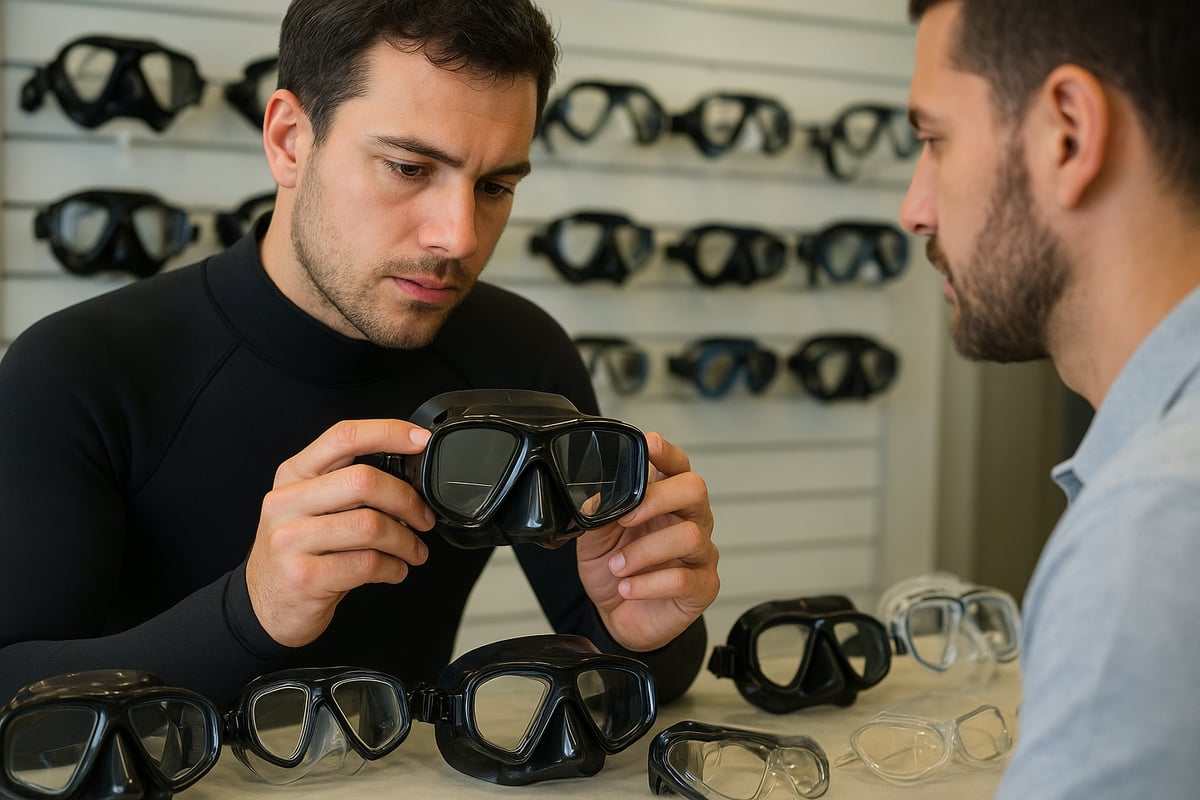
A well-fitting bifocal dive mask is vital for both performance and safety. Try on multiple mask models to find one that matches your face shape and provides a secure, leak-free seal.
Pay attention to the skirt material, as soft silicone offers hypoallergenic comfort and better adaptability to facial contours. Adjustable straps help achieve a snug fit without pressure points.
Test the mask by gently inhaling through your nose to check for a proper seal. Remember, even the best bifocal dive mask will underperform if it leaks or feels uncomfortable during prolonged dives.
Step 3: Evaluate Lens Placement and Segment Size
The effectiveness of your bifocal dive mask depends on lens segment positioning. The reading segment should be placed low enough for easy access when glancing at gauges, but not obstruct your forward vision.
Consider the segment width: wider segments are ideal for divers who frequently check instruments, while smaller ones may suit occasional users. The mask frame design can also impact how well the bifocal segment aligns with your line of sight.
If you struggle to read gauges or wrist computers, ensure your bifocal dive mask offers the right segment size and positioning for your diving habits.
Step 4: Material and Build Quality
Durability and clarity are non-negotiable when selecting a bifocal dive mask. Opt for tempered glass lenses, as they resist scratches and maintain optical quality under pressure.
Choose a mask with a robust silicone skirt, which withstands saltwater exposure and frequent use. Hypoallergenic materials help prevent skin irritation during long dives.
Evaluate the frame's construction for reliability in harsh environments. A well-built bifocal dive mask will last for years, providing consistent performance and value.
Step 5: Compatibility with Accessories and Upgrades
Modern bifocal dive masks often support various accessories and upgrades. Check if your chosen mask allows for prescription lens bonding or integration with camera mounts and corrective filters.
Some divers may wish to upgrade to progressive lenses or add anti-fog coatings later. Ensure your bifocal dive mask is compatible with these enhancements to future-proof your investment.
Accessories like snorkels or dive computers should fit comfortably with your mask choice. This flexibility enhances your overall underwater experience.
Step 6: Budget and Warranty Considerations
Price can vary significantly between standard and advanced bifocal dive mask options. Factor in the value of durability, warranty coverage, and customization when comparing models.
Look for masks with multi-year warranties, especially on lens adhesion, to protect your investment. Many reputable brands provide five-year coverage for peace of mind.
For a comprehensive selection of bifocal dive masks and to explore the best value for your needs, visit the Prescription Reader Diving Masks Collection for up-to-date options and expert support.
Weigh upfront costs against long-term benefits, especially for frequent divers. The right bifocal dive mask pays dividends in safety, comfort, and clarity.
Latest Innovations in Bifocal Dive Masks for 2026
The year 2026 marks a turning point in underwater vision, as the bifocal dive mask continues to evolve with remarkable advancements. Today's divers benefit from technologies that deliver sharper vision, greater comfort, and enhanced sustainability. Explore the cutting-edge features redefining the bifocal dive mask experience.
Advancements in Lens Technology
In 2026, lens technology for the bifocal dive mask is more advanced than ever. New high-index prescription lenses are thinner and lighter, reducing bulk without compromising strength. These lenses offer exceptional clarity, minimizing distortion that can occur underwater.
Manufacturers now apply anti-reflective and anti-fog coatings as standard, ensuring a crystal-clear field of view in any conditions. Innovative lens materials introduced this year further enhance the bifocal dive mask's resilience against scratches and saltwater exposure. For a deeper look at the latest multifocal lens solutions, check out the Progressive Prescription Diving Masks Blog.
Divers notice immediate improvements in both distance and near vision, making it easier to read gauges and appreciate marine life in sharp detail. The bifocal dive mask has never been more effective for both recreational and professional use.
Customization and Personalization
Personalization is now at the forefront of bifocal dive mask innovation. Divers can order masks with custom-shaped lenses tailored precisely to their prescription, even accommodating complex vision needs. Digital prescription data is used to manufacture lenses with pinpoint accuracy.
A wide selection of frame colors and design accents allows divers to express their style while ensuring optimal vision. Masks can also be designed for unique facial structures, maximizing fit and minimizing leaks.
These personalized touches mean every bifocal dive mask delivers a truly individual experience. Whether you need specific lens strengths or a mask that fits your face perfectly, customization is now more accessible than ever.
Enhanced Comfort Features
Comfort has become a top priority in the latest bifocal dive mask designs. Modern masks feature ultra-soft, ergonomic silicone skirts that conform gently to the face, preventing pressure points and reducing the risk of leaks.
Pressure-relief nose pockets and easily adjustable straps ensure a secure yet comfortable fit for long dives. Lighter mask frames reduce fatigue, making extended underwater sessions more enjoyable.
Divers consistently praise these comfort upgrades, noting less facial soreness and a better overall dive experience. The bifocal dive mask of 2026 is designed to support both safety and comfort on every dive.
Smart Dive Mask Integration
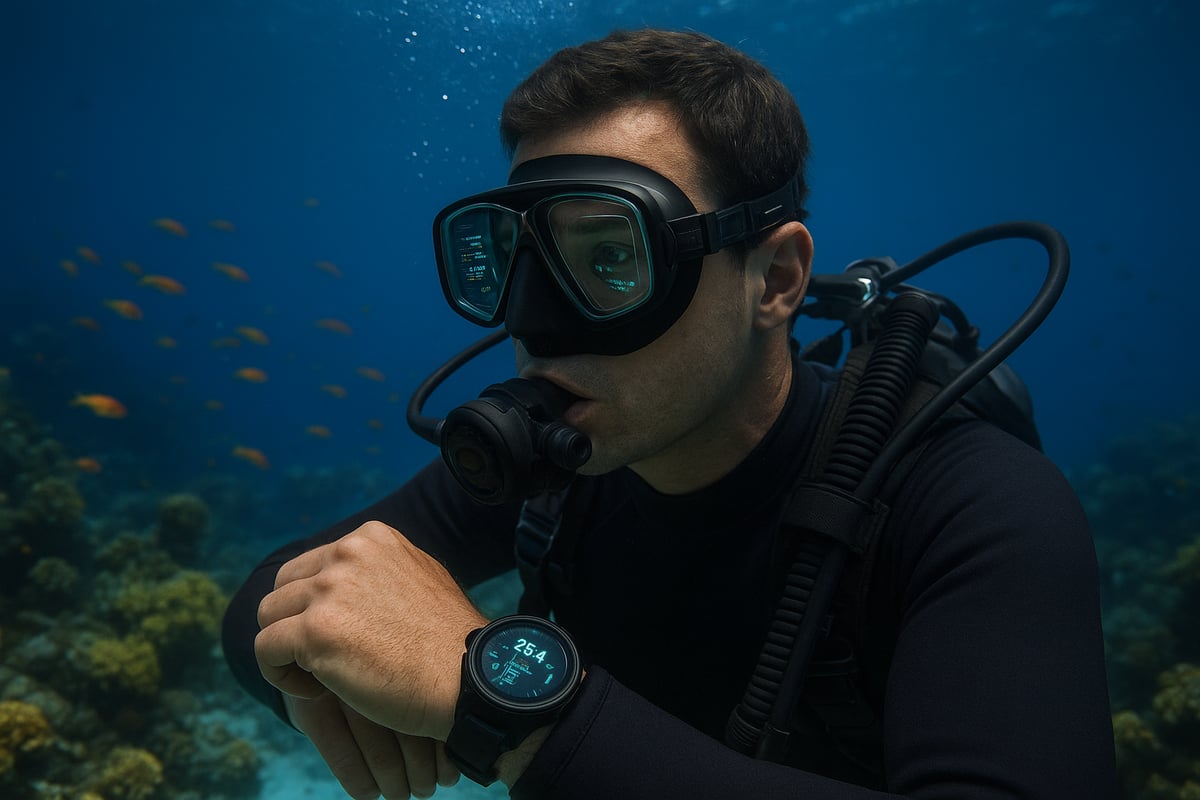
The integration of smart technology is transforming the bifocal dive mask into a true underwater companion. Heads-up displays (HUD) are now available in select models, projecting real-time data such as depth, air supply, and navigation cues directly onto the lens.
These smart bifocal dive mask systems sync seamlessly with dive computers and mobile devices, giving divers instant access to critical information. Early adopters, including technical divers and instructors, are already leveraging these innovations for safer, more informed dives.
Switching focus between distant reefs and digital readouts is now effortless, enhancing both safety and enjoyment for today's tech-savvy diver.
Environmental and Sustainability Trends
Sustainability is a growing focus in the bifocal dive mask industry for 2026. Leading brands use eco-friendly materials, such as recycled plastics and hypoallergenic silicone, to minimize environmental impact.
Many masks feature recyclable components, making it easier for divers to dispose of or upgrade their gear responsibly. Trade-in and recycling programs are increasingly common, encouraging divers to participate in the circular economy.
This commitment to sustainability ensures that the bifocal dive mask not only improves underwater vision but also supports healthier oceans and a greener planet.
Fitting, Care, and Maintenance for Bifocal Dive Masks
A well-fitted and properly maintained bifocal dive mask is essential for clear underwater vision and long-term performance. By following best practices for fitting, care, and troubleshooting, you can maximize both the comfort and lifespan of your mask. Here are expert tips to keep your bifocal dive mask in optimal condition.
Mask Fitting Tips for Optimal Vision
Achieving a perfect fit with your bifocal dive mask is the first step to underwater clarity. Start by placing the mask on your face without using the strap, then gently inhale through your nose. If the mask stays in place, you have a proper seal.
Adjust the mask’s position so the reading segment aligns with your natural line of sight when checking gauges. Test the mask in shallow water before diving to ensure there are no leaks or pressure points.
Common fit issues include pinching, water leakage, or misaligned bifocal segments. To solve these, try masks with different skirt shapes or adjustable straps. Remember, a secure fit not only improves comfort but also enhances the effectiveness of your bifocal dive mask.
Pre-Dive Preparation and Defogging
Proper pre-dive preparation prevents fogging and keeps your bifocal dive mask crystal clear. Before the first use, clean the lenses thoroughly with a non-abrasive cleaner to remove any silicone residue from manufacturing.
Apply a defogging solution, such as baby shampoo or a commercial defogger, to the inside of the lenses. Rinse lightly with fresh water, leaving a thin film to prevent fog. Always avoid touching the inside of the mask with oily fingers or applying suncream near the skirt, as this can cause streaks.
Establishing a consistent pre-dive routine will safeguard your vision and protect the bifocal segments of your mask.
Underwater Mask Management
Managing your bifocal dive mask underwater requires a few simple techniques. If you notice water entering the mask, exhale gently through your nose while tilting your head slightly upward to clear it.
Should fogging occur during a dive, briefly lift the mask to allow a small amount of water inside, then swish it around to clear the fog and reseal. Familiarize yourself with mask removal and replacement procedures to maintain safety in any situation.
Quick fixes like carrying a backup defogger or learning to adjust the mask without surfacing will help you maintain clear vision with your bifocal dive mask throughout every dive.
Post-Dive Care and Storage
After each dive, rinse your bifocal dive mask thoroughly with fresh water to remove salt, sand, and debris. Avoid using hot water, which can damage the silicone skirt and lens bonding.
Dry the mask in a shaded, well-ventilated area, keeping it out of direct sunlight to prevent material degradation. Store your mask in a protective case to avoid scratches or pressure on the bifocal segments.
For more in-depth care tips and to explore advanced solutions for prescription masks, refer to the Guide to Prescription Diving Masks. Regular inspections will help you catch early signs of wear, ensuring your bifocal dive mask remains reliable.
Troubleshooting Common Issues
Even with the best care, issues like persistent fogging, leaks, or discomfort can arise. If fogging persists, clean your bifocal dive mask thoroughly and try a different defogging method.
Leaks may indicate a worn skirt or improper fit. Inspect the mask for cracks or deformities and adjust the straps as needed. Discomfort often results from pressure points or misaligned bifocal segments.
If problems continue, seek professional adjustment or consider replacing your bifocal dive mask. Keep a troubleshooting checklist handy to ensure you address issues promptly and maintain optimal underwater vision.
Expert Tips and Recommendations for Perfect Underwater Vision
Whether you are new to bifocal dive masks or looking to improve your underwater experience, expert strategies can make a significant difference. The following tips help ensure you get the most out of your bifocal dive mask and enjoy clear, confident diving in every condition.
Adapting to Bifocal Masks Underwater
Getting comfortable with a bifocal dive mask requires a bit of practice and patience. Start by wearing your mask in a pool or shallow water, switching your focus between distant objects and close-up gauges. This helps your eyes adjust to the lens segments and the unique underwater magnification.
- Practice reading your dive computer and gauges before your first open water dive.
- Move your head, not just your eyes, to align the reading segment with instruments.
- Gradually increase dive time to build confidence.
Most divers adapt within a few sessions. If you experience persistent discomfort, consult a dive professional to check your mask fit or prescription. Over time, using a bifocal dive mask will feel as natural as using regular eyewear.
Maximizing Safety and Performance
Clear vision is critical for underwater safety. Always inspect your bifocal dive mask before each dive for lens clarity, secure fit, and any signs of wear. A reliable mask helps you read gauges, spot dive partners, and avoid hazards.
- Keep a backup mask in your kit for emergencies.
- Apply an anti-fog solution before every dive.
- Update your prescription regularly to avoid vision lapses.
Create a pre-dive checklist and review it before entering the water. Staying proactive with your bifocal dive mask ensures optimal safety and enhances your overall diving performance every time.
When to Upgrade or Replace Your Bifocal Dive Mask
It is important to recognize when your bifocal dive mask or prescription needs updating. Signs include persistent fogging, leaks, discomfort, or difficulty reading instruments. New vision changes or advancements in mask technology may also prompt an upgrade.
- Replace your mask if the skirt becomes brittle or seals fail.
- Upgrade if your vision prescription changes significantly.
- Explore new models featuring better lens materials and comfort features.
Learn more about the Evolution of Diving Masks for insights on the latest improvements. Keeping your bifocal dive mask up to date guarantees the best underwater vision and comfort.
Resources for Further Support and Customization
For ongoing support, several resources can help you get the most from your bifocal dive mask. Professional dive shops and opticians offer custom fitting and prescription services tailored to your needs.
- Join online diver forums to exchange tips with other users.
- Contact manufacturers for advice on mask care or warranty claims.
- Review expert guides for product comparisons and recommendations.
The Prescription Dive Masks Overview provides a thorough look at available bifocal options and customization tips. Investing in the right resources ensures your bifocal dive mask delivers perfect vision on every dive.