Prescription Diving Glasses Guide: Your 2026 Expert Companion
Imagine descending below the waves and discovering vibrant marine life with total clarity, every detail sharp and colorful. For many, blurry vision can make underwater adventures less enjoyable, but prescription diving glasses change the experience completely. This expert guide will walk you through everything you need to know about prescription diving glasses in 2026.
You will learn how to assess your vision needs, choose the most suitable product, ensure a perfect fit, maintain your gear, and explore the latest innovations. Dive in with confidence as we share real-world tips and expert insights to help you achieve crystal-clear underwater adventures.
Understanding Prescription Diving Glasses
Picture yourself underwater, surrounded by vibrant coral reefs and elusive marine life. For many divers, blurry vision can turn this dream into frustration. This is where prescription diving glasses become essential, providing clear vision and a safer, more enjoyable dive.

What Are Prescription Diving Glasses?
Prescription diving glasses are specialized masks designed for underwater use by individuals who need vision correction. Unlike standard diving masks or swimming goggles, these masks feature corrective lenses tailored to the diver’s unique prescription.
There are several lens types available to suit different vision needs:
| Lens Type | Description | Best For |
|---|---|---|
| Single Vision | Corrects either near or distance vision | Myopia, Hyperopia |
| Bifocal | Two zones: distance and near vision | Presbyopia, multifocal |
| Progressive | Seamless transition between near and far zones | Presbyopia, older divers |
Prescription lenses are integrated into the mask either by bonding custom-cut lenses to the inside of the mask or by replacing the original mask lenses with prescription ones. This process ensures that the mask maintains its watertight seal and optical clarity.
Clear underwater vision is vital for both safety and enjoyment. Divers must read gauges, recognize signals, and spot marine life accurately. Common vision issues addressed by prescription diving glasses include myopia (nearsightedness), hyperopia (farsightedness), astigmatism, and presbyopia (age-related difficulty seeing up close).
For example, a diver with -3.00 myopia using a standard mask may struggle to see their depth gauge or spot distant fish, while someone using prescription diving glasses enjoys crisp, unobstructed vision. According to DAN Europe, over 30 percent of divers require some form of vision correction, highlighting the widespread need for these specialized masks.
Benefits of Prescription Diving Glasses
The primary advantage of prescription diving glasses is enhanced underwater clarity. Colors appear more vibrant, and details in the environment become sharper, greatly improving the diving experience. Safety is also elevated, as divers can easily read instruments, observe surroundings, and communicate with hand signals.
Prescription diving glasses boost confidence for both recreational and professional divers. Customization options allow masks to be made for unique prescriptions, including astigmatism and progressive lens needs. This means each diver receives a solution tailored specifically for their eyes.
Many divers find that prescription diving glasses reduce eye fatigue and headaches compared to wearing contact lenses underwater. Contacts can trap water or debris, causing irritation, while prescription masks provide a secure and comfortable fit.
Expert resources such as the Prescription Dive Masks: Enhancing Underwater Vision article support these benefits, emphasizing the importance of proper vision correction for both safety and enjoyment.
Prescription diving glasses are also available in a range of models, making them accessible for families, children, and professionals alike.
Limitations and Considerations
Despite their advantages, prescription diving glasses come with a few limitations. Not every mask model is compatible with prescription lenses, so divers must choose frames that support lens customization. Improper fit may lead to fogging, leaks, or discomfort.
Lenses are susceptible to scratches and must be handled with care. Over time, prescription updates may be required, especially for divers who experience changes in vision. The cost of prescription diving glasses can be higher than standard masks, particularly for custom or progressive lens options.
Before investing, divers should ensure their prescription is current and verify mask compatibility. Routine maintenance helps extend the life of prescription diving glasses and preserves optical quality.
Assessing Your Vision Needs for Diving
Before you invest in prescription diving glasses, it is crucial to evaluate your specific vision needs for underwater activities. Clear sight can transform your diving experience, helping you spot vibrant marine life and read instruments with confidence. Let us explore how to determine if you need vision correction and what to consider about your prescription and lens choices.
Identifying When You Need Prescription Diving Glasses
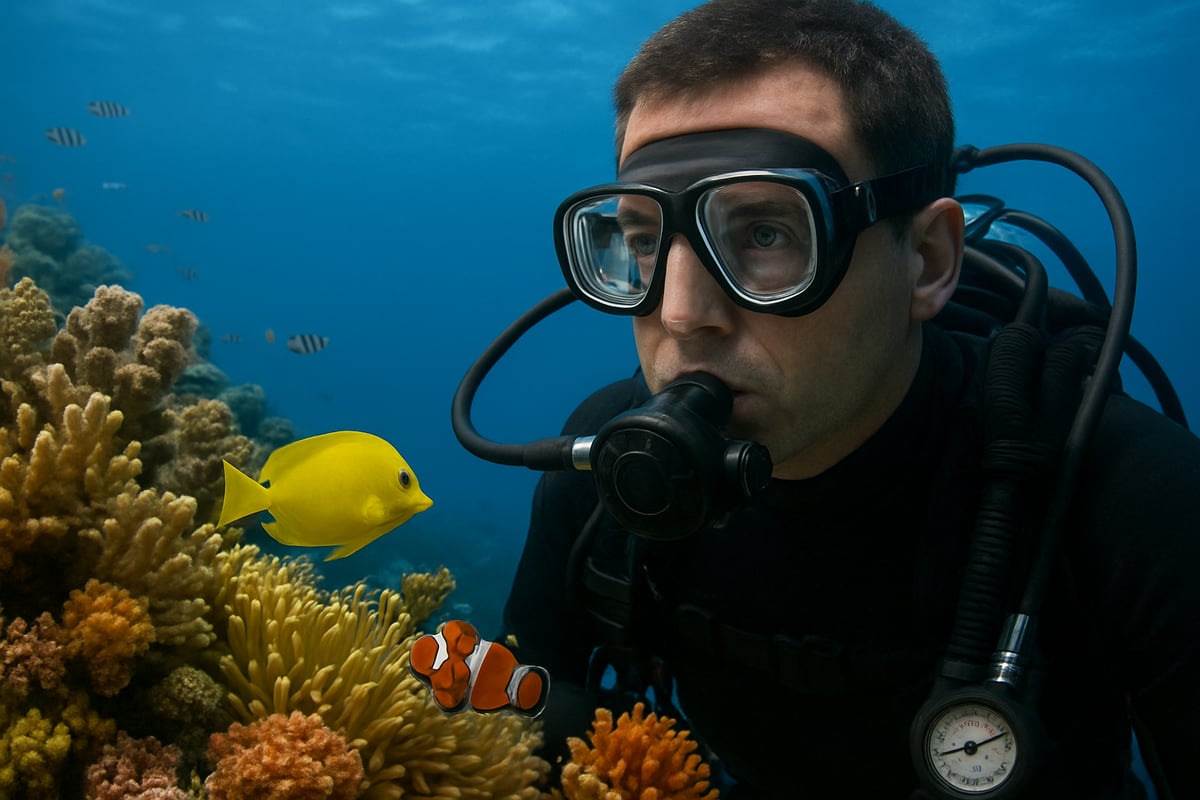
Do you ever notice blurry vision when diving or struggle to read your gauges? These are classic signs that prescription diving glasses might be necessary. Many divers first realize the need for vision correction when they miss out on spotting small marine creatures or cannot clearly interpret their dive computer.
Common signs that you may benefit from prescription diving glasses include:
- Blurry or distorted underwater vision
- Difficulty reading gauges or dive computers
- Missing details of marine life or underwater structures
- Eye fatigue or headaches after dives
It is tempting to rely on self-assessment, but a professional eye exam is the safest way to determine your current prescription. Vision can change over time, so always ensure your prescription is up to date before ordering prescription diving glasses. This is especially important for divers over 40, since presbyopia often develops and affects near vision.
Consider the following comparison:
| Experience | Standard Mask | Prescription Diving Glasses |
|---|---|---|
| Reading gauges | Difficult | Clear and easy |
| Spotting marine life | Occasionally miss details | Vivid and detailed |
| Eye comfort after diving | May feel strain | Relaxed and comfortable |
As you can see, prescription diving glasses can significantly improve safety and enjoyment, particularly if you have noticed any of these issues.
Understanding Your Prescription and Lens Options
Once you recognize the signs, understanding your vision prescription is the next step. Your eyeglass prescription includes terms such as SPH (sphere), CYL (cylinder), AXIS, and ADD. These specify corrections for nearsightedness, farsightedness, astigmatism, and reading vision, respectively.
Prescription diving glasses come in several lens types:
- Single vision: Correct either distance or near vision, ideal for most divers.
- Bifocal: Feature a reading segment for gauges and a main area for distance.
- Progressive lenses: Offer seamless correction for near, intermediate, and distance vision, increasingly popular among divers over 45.
For those with astigmatism or high prescriptions, special lens configurations may be necessary. Thicker lenses can affect comfort and field of view, so consider lightweight materials when selecting prescription diving glasses.
Here is a quick reference for lens types:
| Lens Type | Best For | Notes |
|---|---|---|
| Single vision | General correction | Most common, simple prescription |
| Bifocal | Gauge reading + distance | Distinct segment for near vision |
| Progressive | Multiple distances | Smooth transition, no visible lines |
According to a recent PADI survey, progressive lenses are gaining traction among divers aged 45 and above, offering enhanced versatility underwater. For a more comprehensive overview of options and integration methods, see this Prescription Diving Masks Overview.
With the right understanding of your prescription and available lens options, you are well equipped to select prescription diving glasses that match your unique needs.
How to Choose the Right Prescription Diving Glasses
Selecting the right prescription diving glasses is crucial for achieving optimal underwater clarity and comfort. With so many options available, taking a step-by-step approach will help you find the best solution for your vision, face shape, and diving style.
Step 1: Selecting the Mask Frame
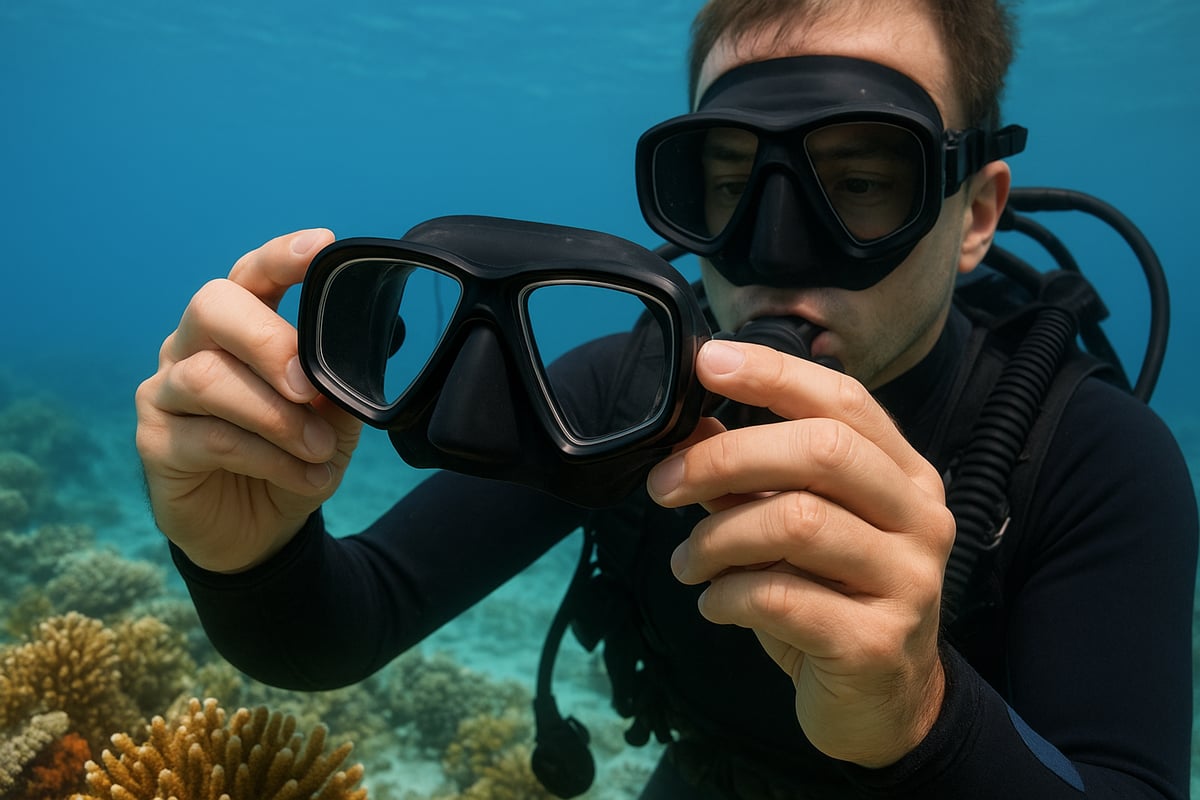
Start by choosing a mask frame compatible with prescription diving glasses. Not all masks can accommodate corrective lenses, so focus on models designed for lens integration. Frames with flat glass panels are generally preferred, as they allow for easier lens fitting compared to curved options.
Consider the fit and seal of the mask. The right fit prevents leaks and ensures comfort during long dives. Popular brands like Atomic, Mares, and TUSA offer models suitable for prescription customization. Sizing options are available for adults, teens, and children, making it easier to find the perfect match for any diver.
Face shape also plays a significant role. For example, divers with narrow faces may need masks with smaller skirts, while those with wider faces benefit from broader frames. Try on several designs to assess comfort and seal before making a decision.
When evaluating mask frames, prioritize silicone skirts over rubber for better flexibility and durability. A well-chosen frame sets the foundation for your prescription diving glasses, ensuring safety and performance throughout your underwater adventures.
Step 2: Choosing Prescription Lenses
Once you have selected a suitable mask frame, the next step is matching your prescription to the available lens types. Prescription diving glasses can be fitted with single vision, bifocal, or progressive lenses, depending on your vision needs. Single vision lenses are ideal for divers who need correction for either distance or near vision, while bifocal and progressive options cater to those who require multiple focal points.
You will also need to decide between drop-in and bonded lenses. Drop-in lenses are pre-manufactured and inserted into compatible masks, offering a cost-effective solution. Bonded lenses are custom-made to your prescription and permanently attached to the mask, providing superior optical clarity.
Modern lenses come with additional features such as UV protection, anti-fog coatings, and scratch resistance. These enhancements contribute to both the longevity and comfort of your prescription diving glasses. Customization options, like gauge readers for reading instruments underwater, further improve your diving experience.
To explore a wide selection of lens options and mask models, visit the Prescription Diving Masks Collection, where you can compare features and find the right fit for your needs.
Step 3: Customization and Ordering Process
The process of ordering prescription diving glasses begins with submitting a current vision prescription. Double-check that your prescription is up to date, as even small changes can impact underwater clarity. Once you have your prescription ready, select your preferred mask frame and lens type.
Many providers offer online customization tools, allowing you to upload your prescription and specify additional requirements, such as lens coatings or gauge readers. Lead times for custom manufacturing may vary, typically ranging from one to four weeks depending on the complexity of your order.
Check the supplier’s return and adjustment policies before finalizing your purchase. Reliable vendors provide guarantees for fit and prescription accuracy, ensuring your satisfaction with your new prescription diving glasses. If you have questions during the process, customer service teams are often available to guide you through each step.
Diving Mask: Custom Prescription Diving Masks
Diving Mask specializes in custom-made prescription diving glasses and goggles tailored to your unique vision needs. Their services cover single vision and progressive lenses, crafted with renowned German precision and backed by a five-year warranty. Multilingual customer support is available, and worldwide shipping ensures divers from any location can access their products.
The company offers a broad range of brands and models, making it easy to find a prescription fit for every member of the family. Whether you are a recreational diver or a professional, Diving Mask caters to all experience levels and age groups. Pricing is transparent, with masks starting at $49.00 and swimming goggles from $57.00. You can even opt for custom lens fitting with your own mask.
Ordering is straightforward: use their online portal to select your mask, upload your prescription, and receive personalized support throughout the process. Customers frequently report significant improvements in underwater visibility and overall enjoyment after switching to Diving Mask’s prescription diving glasses.
Step 4: Ensuring the Perfect Fit
Before venturing on your first dive, perform an at-home fit test with your prescription diving glasses. Adjust the strap and mask skirt to achieve a snug, comfortable seal. Test the fit with and without gloves or hoods, as these accessories can alter how the mask sits on your face.
Common issues like leaks, pressure points, or fogging can often be resolved with minor adjustments. If leaks persist, check for hair or debris trapped under the skirt, and ensure the mask is not overtightened. For fogging, rinse the lenses with anti-fog solution and avoid touching them with oily fingers.
A properly fitted mask enhances both safety and comfort, allowing you to fully enjoy the clarity provided by your prescription diving glasses. If you encounter persistent fit problems, consult with your supplier or an experienced dive professional for further guidance.
Care, Maintenance, and Longevity of Prescription Diving Glasses
Proper care and maintenance are essential for getting the most out of your prescription diving glasses. By following best practices for cleaning, storage, and upkeep, you can extend the life of your investment and ensure optimal underwater vision every time you dive.
Cleaning and Storing Your Prescription Mask
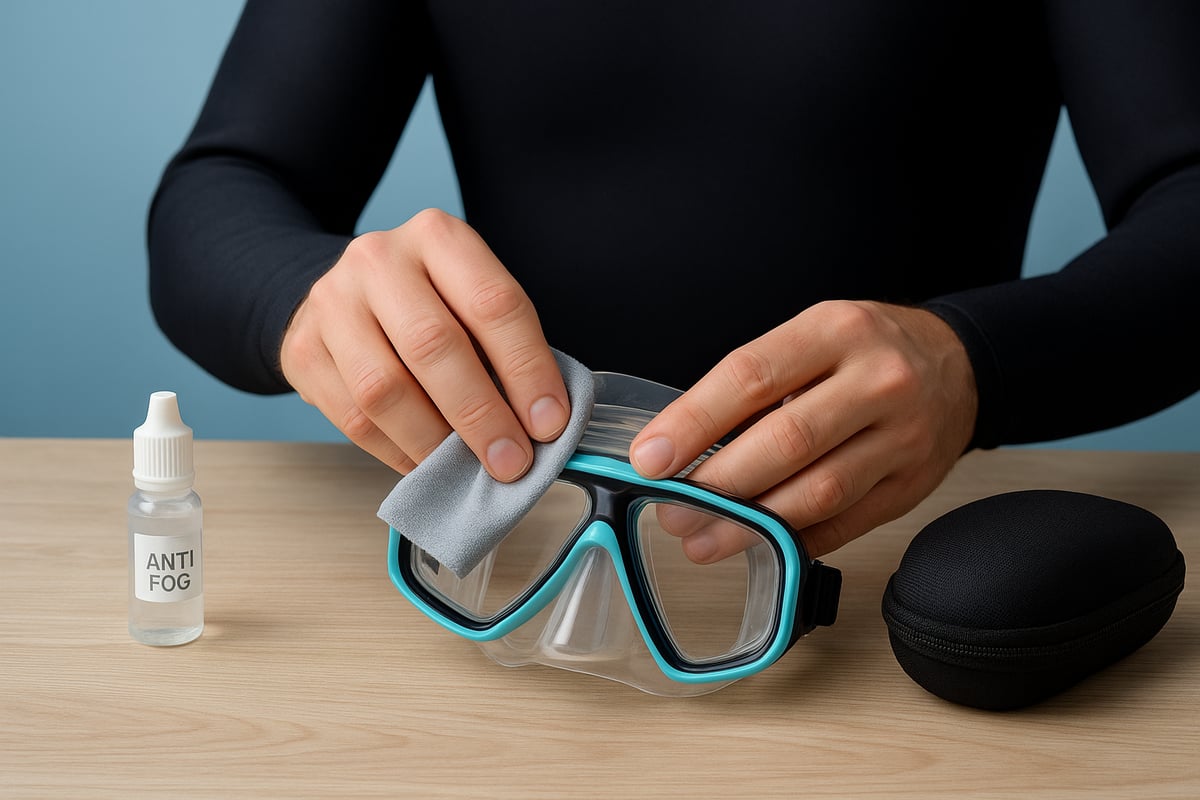
Keeping your prescription diving glasses clean is key to preserving lens clarity and preventing long-term damage. Always rinse your mask with fresh water after each dive to remove salt, sand, and debris. Use a mild, non-abrasive soap and a soft microfiber cloth to gently clean the lenses and frame. Avoid using paper towels or rough fabrics, as these can scratch specialized coatings.
Store your mask in a hard, ventilated case when not in use. This protects it from accidental impacts and shields the lenses from direct sunlight, which can degrade materials over time. Make sure your mask is completely dry before storage to prevent mold and mildew growth.
For masks with corrective lenses, pay close attention to the bond between the lens and frame. If you want to understand more about how lenses are integrated and how this impacts cleaning, the Corrective Lens Dive Mask Information page offers valuable details. Avoid harsh chemicals and never leave your prescription diving glasses soaking in water for extended periods.
Maintenance for Longevity
Regular maintenance checks can significantly extend the lifespan of your prescription diving glasses. Inspect the silicone skirt, straps, and buckles for signs of wear or brittleness. Replace any damaged components promptly to maintain a watertight seal and comfortable fit.
Keep your prescription up to date, especially if you notice changes in your vision. Most divers update their lenses every two to three years, or sooner if recommended by an eye care professional. If your mask features removable lenses, follow the manufacturer’s instructions for safe replacement.
Minor repairs, such as fixing a loose strap or adjusting the buckle, can often be handled at home with basic tools. For more complex issues, like lens delamination or persistent leaks, seek help from a professional technician or the original manufacturer. Consistent maintenance ensures your prescription diving glasses remain reliable and comfortable on every dive.
Common Issues and Troubleshooting
Even with the best care, you may encounter occasional problems with your prescription diving glasses. Fogging is a common frustration, but can be minimized by applying a quality anti-fog solution before each dive and ensuring your mask is clean and residue-free. Avoid touching the inside of the lenses with your fingers.
Leaks are typically caused by improper fit or worn-out seals. Test your mask fit at home before diving, making adjustments to the strap and skirt as needed. If persistent leaks occur, inspect the mask for cracks or deformations.
Scratches and lens delamination can reduce visibility and comfort. Store your mask carefully and avoid contact with abrasive surfaces. If you notice significant damage, it may be time to invest in new prescription diving glasses to maintain clear vision and safety underwater.
Latest Innovations and Trends in Prescription Diving Glasses (2026)
The world of prescription diving glasses is evolving rapidly, bringing divers sharper vision, smarter technology, and more sustainable choices than ever before. As we move into 2026, a new wave of innovation is shaping how divers experience the underwater world.
Advancements in Lens Technology
Recent years have seen significant breakthroughs in the design and performance of prescription diving glasses. High-definition optics now deliver ultra-sharp clarity, letting divers spot subtle details in reefs and marine life.
Manufacturers are introducing lighter and thinner lens materials, reducing mask weight and improving comfort for longer dives. Advanced anti-fog coatings have become standard, minimizing frustrating condensation and keeping visibility clear throughout the dive.
Photochromic lenses are another exciting innovation. These adaptive lenses automatically adjust their tint to match changing light conditions underwater, providing optimal vision whether you are exploring sunlit shallows or deeper, dimmer environments. With these improvements, prescription diving glasses ensure both safety and enjoyment for divers of all levels.
Smart Features and Digital Enhancements
Technology is transforming prescription diving glasses from simple vision aids into sophisticated dive companions. Heads-up displays (HUDs) are now being integrated into some high-end masks, projecting dive data such as depth, time, and navigation cues directly onto the lens.
Bluetooth connectivity allows seamless syncing with dive computers and smartphones, letting divers track their performance and log dives automatically. Some smart masks offer digital overlays for gauges, reducing the need to glance away from your surroundings.
For divers with complex vision needs, the latest progressive and multifocal lenses are now tailored for underwater use. These advancements are detailed in the Progressive Prescription Diving Masks Guide, a valuable resource for those seeking cutting-edge lens options.
Sustainability and Eco-Friendly Developments
Sustainability is a growing priority in the design of prescription diving glasses. Leading brands are moving toward frames made from recycled plastics and metals, reducing the environmental impact of manufacturing. Packaging is also being redesigned to use less material and more biodegradable or recyclable components.
Eco-friendly lens coatings and adhesives are gaining traction, offering the same durability and clarity as traditional options while minimizing chemical waste. These green innovations help divers protect the oceans they love, making it easier to choose gear that aligns with their environmental values. As sustainability becomes central to product development, prescription diving glasses are setting a new standard for responsible diving equipment.
Market Trends and Consumer Preferences
The market for prescription diving glasses is growing, driven by both new technology and changing consumer demands. Progressive and multifocal lenses are seeing increased popularity, especially among divers aged 45 and older who want seamless vision correction at all distances.
Customization options are expanding, with more choices for children, teens, and families to ensure everyone can enjoy clear underwater adventures. According to recent industry reports, the global market for prescription diving glasses is projected to continue strong growth through 2026, fueled by innovation and greater awareness of underwater vision health.
As these trends continue, prescription diving glasses will remain at the forefront of dive gear technology, empowering more people to explore the ocean with confidence and clarity.
Real-World Experiences: User Stories and Expert Tips
Exploring the world beneath the waves is a truly unique adventure. For many, the journey to crystal-clear underwater vision begins with prescription diving glasses. Real-world accounts from divers highlight the transformation that the right eyewear can bring, both in clarity and confidence.
User Testimonials and Case Studies
Many recreational divers share stories of how prescription diving glasses have completely changed their underwater experiences. One diver with significant myopia recalls missing vibrant marine life until switching to a custom mask. The difference was immediate, allowing them to spot tiny nudibranchs and read gauges with ease.
Professional divers also note improved safety. Accurate vision underwater means quicker response to hand signals and better awareness of surroundings. For families, prescription diving glasses open up shared underwater adventures. Parents and children alike benefit from tailored vision correction, making snorkeling trips more inclusive and enjoyable.
A family of four recounted their first vacation using prescription diving glasses for each member. The youngest, previously hesitant due to blurry vision, became the most enthusiastic explorer. These real-life experiences underline the positive impact of the right eyewear on both safety and enjoyment.
Pro Tips for First-Time Users
For those new to prescription diving glasses, adapting to the underwater world can take a few dives. Start by testing your mask in a pool or shallow water. This helps you get used to the field of view and check for leaks or pressure points.
When preparing for travel, always pack your prescription diving glasses in a sturdy case. Bring a backup if possible, especially for extended trips. Consult both your optician and dive instructor to ensure your prescription is current and the mask fits well.
Comfort and safety are top priorities. Some divers are concerned about ocular pressure or eye fatigue. A recent study on the effect of diving masks on intraocular pressure provides useful insights for those with eye health considerations. If you experience discomfort, adjust the fit or seek professional advice promptly.
Community Insights and Resources
Joining the community of prescription diving glasses users can be both informative and reassuring. Online forums and dedicated social media groups are filled with advice, troubleshooting tips, and product reviews. Many divers share their experiences with different mask brands and lens types.
Finding a professional fitting service is highly recommended. Dive shops and specialized optical centers often offer personalized fittings, ensuring your prescription diving glasses meet your unique needs. This is especially important for those with complex prescriptions or special requirements.
For ongoing support, explore resources such as diver associations, training agencies, and optician networks. These organizations often publish guides and host events dedicated to vision care for divers. By staying connected, you can keep up with the latest innovations and share your own journey with prescription diving glasses.