Prescription Diving Goggles Guide: Your 2026 Expert Handbook
Imagine gliding through vibrant coral reefs, every color and detail crystal clear before your eyes. For divers who need vision correction, this guide is your essential resource for prescription diving goggles in 2026. Here, you will discover how to choose, fit, and care for goggles tailored to your needs, ensuring every underwater adventure is both safe and visually stunning. We cover everything from types of prescription goggles to the latest innovations, so you never miss a breathtaking moment beneath the surface. Ready to see the ocean in a whole new light? Read on for expert advice.
Understanding Prescription Diving Goggles
Imagine entering the underwater world and seeing every detail with clarity. For those who need vision correction, prescription diving goggles make this possible. These specialized goggles are designed to correct common vision problems, keeping divers safe and comfortable.
What Are Prescription Diving Goggles?
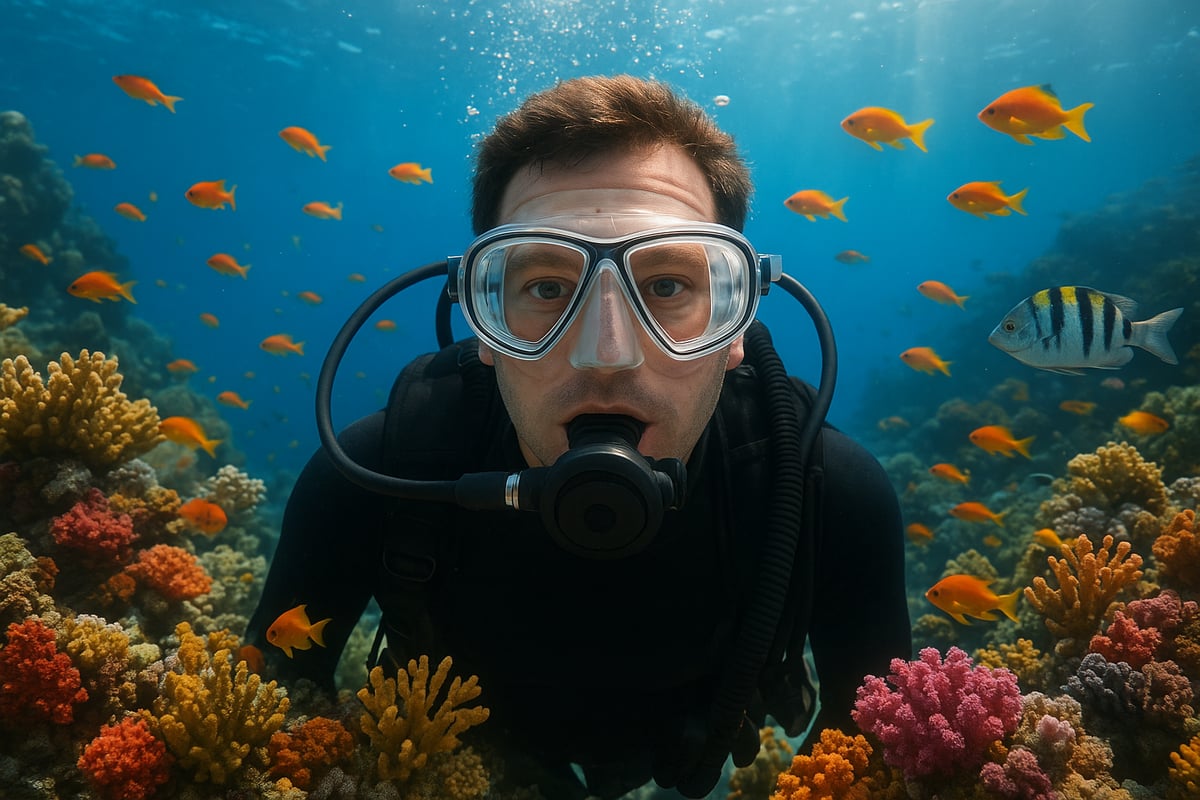
Prescription diving goggles are masks or goggles fitted with corrective lenses tailored to individual vision needs. Unlike standard goggles, they address specific eyesight issues such as myopia, hyperopia, astigmatism, and presbyopia.
These goggles allow divers to see underwater with the same clarity as their everyday glasses, reducing risks and enhancing enjoyment. Safety is crucial, as clear vision helps with navigation and reading gauges. For a comprehensive overview of how these goggles work and their benefits, visit the Prescription Diving Masks Guide.
Types of Prescription Diving Goggles
There are several types of prescription diving goggles available to suit different needs. Options include single vision lenses for one field of correction, bifocal lenses for distance and near tasks, and progressive lenses for seamless vision at all distances.
Divers can choose between custom-made goggles, which match exact prescriptions, and pre-made versions with common diopters. Children and teens have access to designs made for smaller faces. Popular brands such as Cressi, Mares, and TUSA offer a wide variety of models to choose from.
How Prescription Lenses Work Underwater
Light behaves differently underwater, causing refraction and magnification that can distort vision by up to 25% without correction. Prescription diving goggles compensate for these effects by adjusting lens strength, ensuring clarity at different depths.
Optical experts use precise calculations to match the lens to the diver’s prescription, accounting for underwater conditions. Accurate prescription details are essential, as even slight errors can affect safety and comfort.
Common Vision Challenges for Divers
Diving with poor vision can lead to serious risks. Navigating underwater terrain, reading gauges, and recognizing hand signals become challenging. This increases the chance of getting lost or missing important safety cues.
Photography and exploring marine life also suffer when vision is blurry. Some divers have missed out on once-in-a-lifetime sightings due to unclear vision. Prescription diving goggles help prevent these issues, making every dive safer and more fulfilling.
Who Needs Prescription Diving Goggles?
Prescription diving goggles are essential for anyone who requires vision correction while diving, snorkeling, or swimming. Adults, teens, and children can all benefit from tailored goggles that match their eyesight needs.
Both recreational and professional divers rely on clear vision for performance and safety. Industry data shows that an estimated 35% of divers need some form of vision correction, highlighting the widespread demand for these goggles.
How to Choose the Right Prescription Diving Goggles
Choosing the perfect prescription diving goggles is essential for comfort, safety, and crystal-clear underwater vision. With the right approach, you can enjoy every dive with confidence and clarity. Use this step-by-step guide to navigate the key considerations and find the best pair for your unique needs.
Assessing Your Vision Needs
Before purchasing prescription diving goggles, start by understanding your vision requirements. Review your most recent eye prescription, taking note of details like sphere, cylinder, and axis values. These numbers determine how your goggles will correct your vision underwater.
Schedule a consultation with an eye care professional if you have any doubts. They can confirm whether you need single vision or multifocal correction, such as bifocals or progressives. For example, a diver with myopia will need different correction compared to someone with astigmatism.
By knowing your exact prescription, you ensure your prescription diving goggles provide optimal clarity and safety throughout your underwater adventures.
Selecting the Right Fit and Comfort
Comfort is crucial when choosing prescription diving goggles, as a poor fit can lead to leaks or discomfort during dives. Start by checking the mask's seal. Look for a soft silicone skirt that molds to your face shape, which helps prevent water from seeping in.
Adjustable straps are important for a secure and personalized fit. Make sure the goggles come in sizes suitable for adults, teens, and children. If possible, try on different styles in-store to assess comfort and fit, or use sizing guides when shopping online.
A well-fitting pair of prescription diving goggles will stay in place and minimize distractions, letting you focus on the beauty beneath the waves.
Lens Materials and Coatings
The lens material in prescription diving goggles affects durability, weight, and clarity. Most divers prefer tempered glass lenses because they are highly resistant to scratches and impacts. In fact, 80% of divers choose tempered glass for its long-lasting performance.
Polycarbonate lenses are lighter but may scratch more easily. Look for anti-fog coatings to reduce condensation and scratch-resistant finishes for longevity. UV protection is also important, especially for shallow dives in sunny locations.
Some goggles offer color-correcting tints to enhance underwater contrasts, making marine life more vivid. Selecting the right combination of materials and coatings ensures your prescription diving goggles perform well in any environment.
Customization Options and Special Features
Customization is a key advantage of prescription diving goggles. Many brands offer custom lens bonding for unique prescriptions, including single vision, bifocal, and progressive lenses. Progressive lenses are ideal for divers who need both distance and reading correction in one mask.
Special features like prescription swimming goggles, interchangeable color straps, and a variety of lens tints allow you to tailor your gear to your personal style and needs. Some models even accommodate reading lenses for close-up tasks.
For detailed information on available options, you can explore Single Vision Prescription Masks for insights into single vision solutions.
Comparing Top Brands and Models
Prescription diving goggles are offered by several leading brands, each with distinct features and price points. Consider brands such as Cressi, Mares, TUSA, and Scubapro, which are known for their quality and user satisfaction.
| Brand | Notable Model | Key Features | Price Range |
|---|---|---|---|
| Cressi | Galileo | Swimming, custom fit | $$ |
| Mares | X-Vision | Diving, wide field of view | $$$ |
| TUSA | Freedom Ceos | Comfort, lens options | $$ |
| Scubapro | Synergy Twin | Dual lens, easy adjustment | $$$ |
User reviews often highlight comfort, lens clarity, and ease of adjustment as top priorities. Take time to compare models to find prescription diving goggles that match your requirements and budget.
Customized Prescription Solutions: Diving Mask
For those seeking the ultimate in customization, Diving Mask specializes in prescription diving goggles tailored to any prescription, including complex progressive lenses. Their products feature German craftsmanship and come with a 5-year warranty on lens bonding, ensuring reliability for every dive.
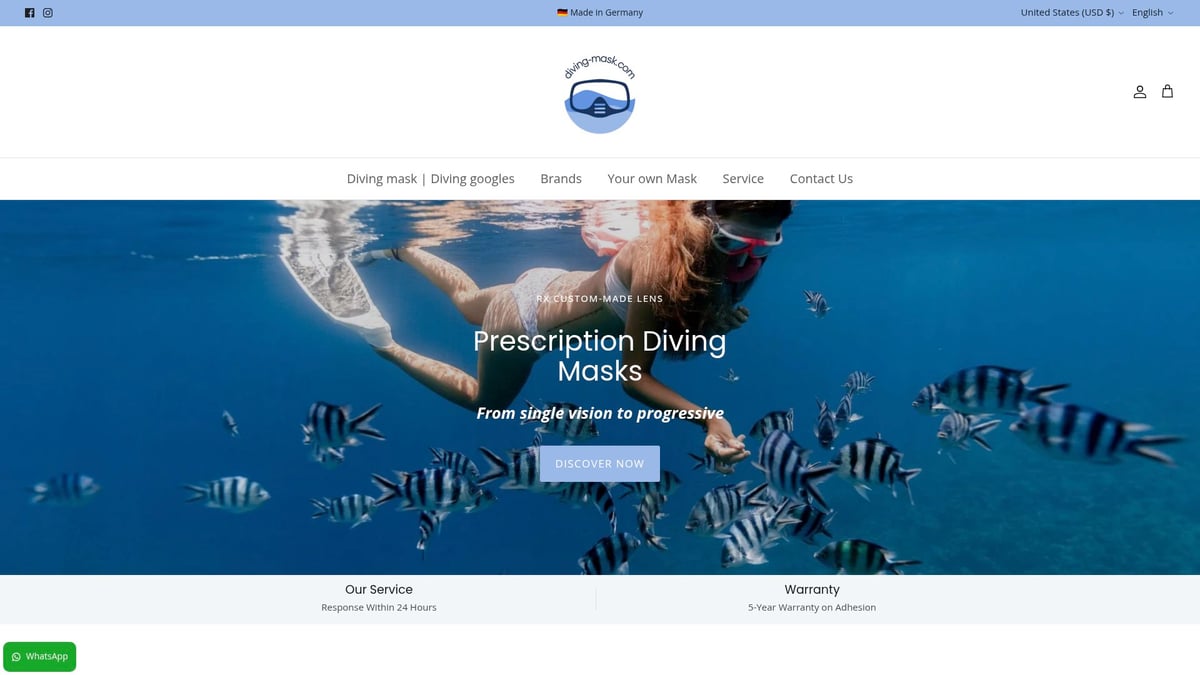
Diving Mask can fit virtually any mask with any prescription, offering options for all ages and preferences. Their wide selection includes top brands and a variety of customization features. With international shipping and responsive customer support, you can confidently order prescription diving goggles from anywhere in the world.
This level of personalized service makes Diving Mask a trusted choice for divers who demand precision and quality.
The Prescription Diving Goggles Fitting Process: Step-by-Step
Getting the right prescription diving goggles involves more than just picking a mask off the shelf. The fitting process ensures your goggles match your vision needs, fit comfortably, and provide clear underwater sight. Follow these five steps to achieve the best possible dive experience.
Step 1: Obtain an Up-to-Date Eye Prescription
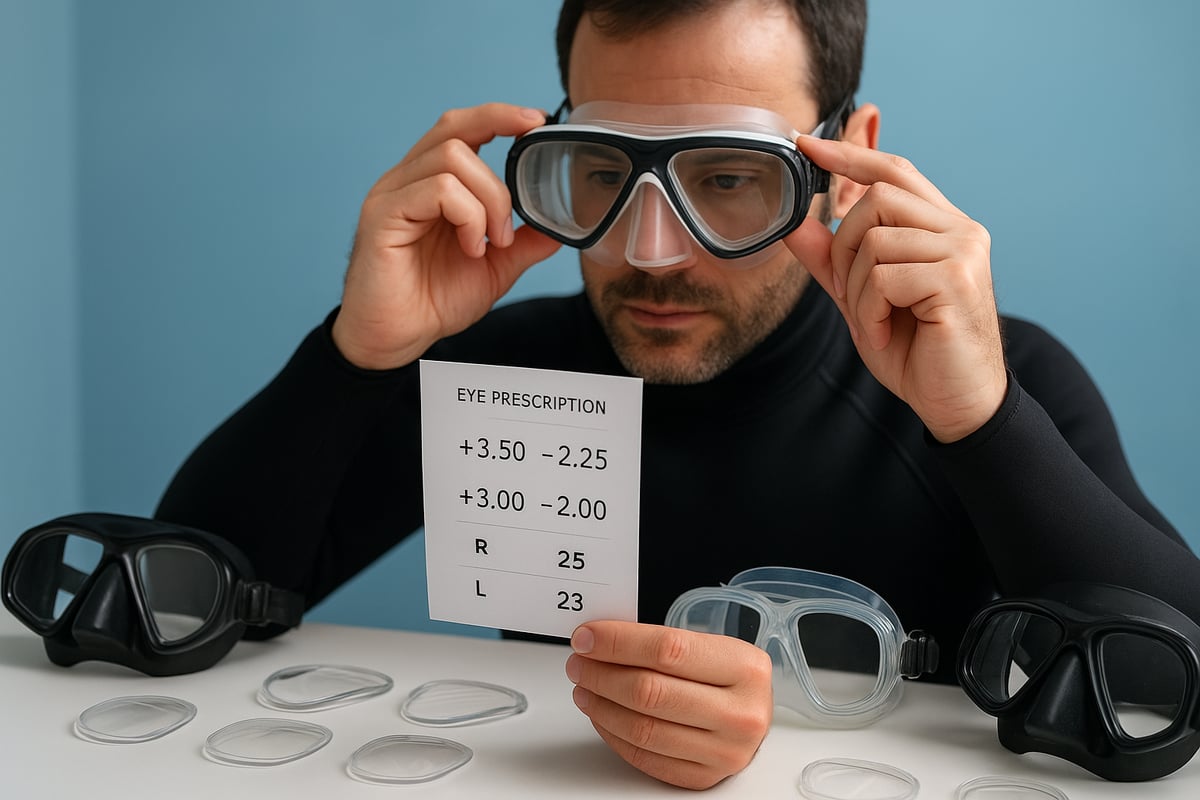
Start your journey by securing a recent eye exam. This step is vital since an accurate prescription ensures your prescription diving goggles correct your vision as intended. Outdated information can result in discomfort or poor underwater clarity.
Ask your optometrist for a copy of your prescription. Make sure it includes:
- Sphere (SPH)
- Cylinder (CYL)
- Axis
- Pupillary Distance (PD)
For example, a typical prescription might look like:
OD: -2.50 -1.00 x 180
OS: -3.00 -0.50 x 170
PD: 62 mm
Keep this information handy for the next steps.
Step 2: Choose Your Diving Mask or Goggle Style
With your prescription ready, select the type of mask or goggles that match your diving style. Prescription diving goggles come in various shapes and sizes, each suited for different activities.
Common styles include:
- Full-face masks for maximum field of vision
- Low-volume masks for freediving
- Classic two-window masks for scuba and snorkeling
Snorkelers may prefer lightweight goggles, while scuba divers often need a robust mask. Try on different models if possible, focusing on comfort and fit. Remember, your prescription diving goggles should feel secure without being too tight.
Step 3: Select Lens Type and Customization
Now, decide on the lens type that matches your vision correction needs. Prescription diving goggles can accommodate single vision, bifocal, or progressive lenses, each offering unique benefits.
Customization options include lens bonding for complex prescriptions, anti-fog coatings, and color tints. For those seeking more insight into the benefits and choices of prescription lens integration, you can explore Prescription Dive Masks – Clear Vision For Every Dive.
Discuss your needs with your provider to ensure your prescription diving goggles are tailored for maximum clarity and comfort.
Step 4: Place Your Order and Submit Prescription
Once you have chosen your mask and lens options, it is time to place your order. Decide whether you will purchase online or in-store. Both options typically require you to upload or bring your prescription.
Be prepared to provide:
- A clear copy of your prescription
- Mask model and size details
- Lens preferences (coatings, tints, etc.)
Lead times for custom prescription diving goggles vary, with most orders taking one to three weeks. Confirm all details before finalizing your purchase.
Step 5: Fitting, Testing, and Adjustments
After receiving your prescription diving goggles, test the fit at home. The mask should form a comfortable seal without pressure points. Adjust the straps and check for leaks.
Before heading to open water, test your goggles in a pool to ensure clear vision and comfort. If you notice any issues, such as fogging or discomfort, consult the supplier for adjustments or troubleshooting tips.
Properly fitted prescription diving goggles enhance both safety and enjoyment every time you dive.
Caring for and Maintaining Prescription Diving Goggles
Maintaining your prescription diving goggles is essential for clear vision, safety, and long-lasting performance. Proper care prevents damage, ensures comfort, and keeps your underwater adventures worry-free. With a few easy habits, you can extend the life of your goggles and maximize your investment.
Cleaning and Storage Best Practices
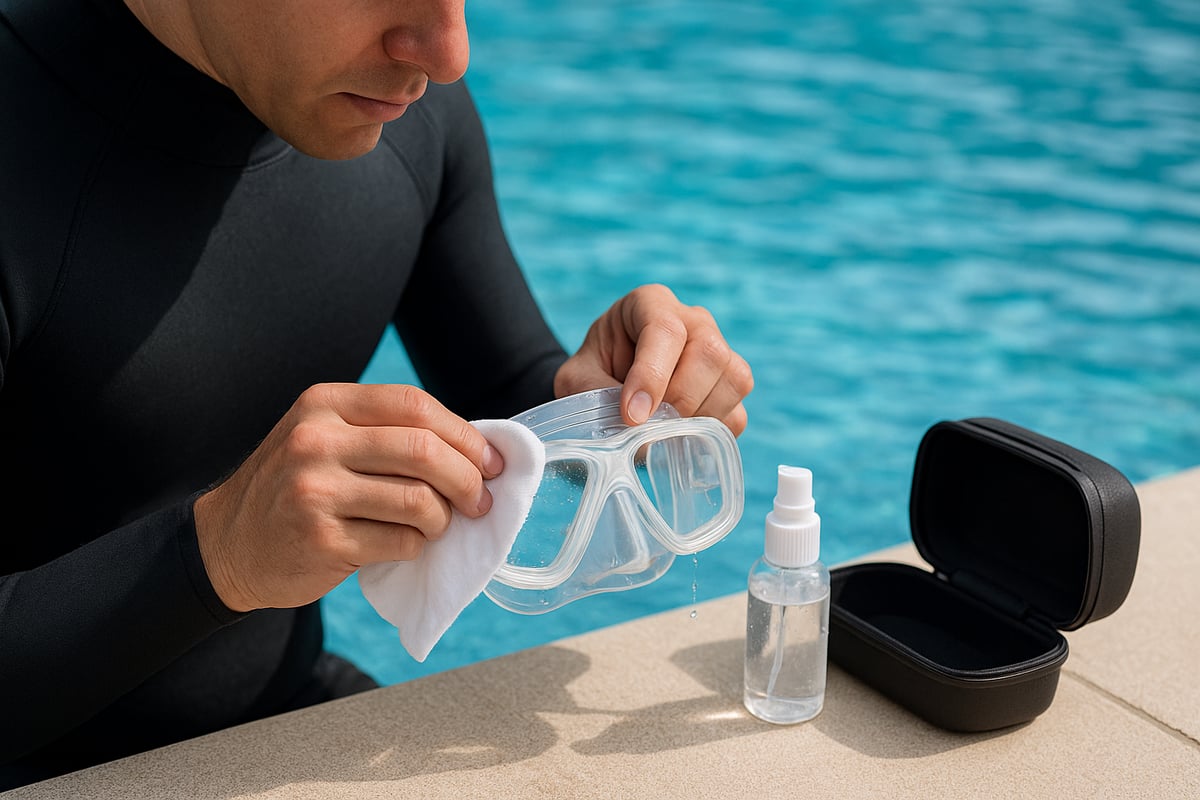
After every dive, rinse your prescription diving goggles with fresh water to remove salt, sand, and debris. Use only mild soap and your fingertips for cleaning, as harsh chemicals or abrasive cloths may scratch the lenses or damage the seal.
Store your goggles in a protective case, away from direct sunlight and heat. Keeping them dry and covered prevents mold and fog buildup. Never leave your prescription diving goggles in a damp bag, as this can degrade the silicone skirt and shorten their lifespan.
Preventing and Dealing with Fogging
Fogging is a common nuisance for divers, but it is easily managed with the right approach. Start by thoroughly cleaning your prescription diving goggles before each dive to remove residue that can cause fogging. Anti-fog sprays or solutions are highly effective, and some divers use diluted baby shampoo as a gentle home remedy.
For a detailed guide on fog prevention, read Preventing Dive Mask Fogging for proven techniques and product recommendations. Remember, 90% of fogging issues are solved by proper cleaning and preparation.
Handling and Transport Tips
When traveling, always use a sturdy protective case for your prescription diving goggles. This shields them from scratches and accidental impacts. Avoid exposing your goggles to extreme heat, such as leaving them in a car or under direct sunlight, as high temperatures can warp the mask and degrade the silicone.
Pack your goggles at the top of your dive bag to prevent crushing. Before each trip, inspect your prescription diving goggles for any signs of damage or wear.
When to Replace Your Prescription Goggles
Even with the best care, prescription diving goggles will need replacement over time. Watch for signs like persistent lens scratches, fogging that cleaning cannot resolve, or a weakened mask seal. If your vision prescription changes, update your goggles to match.
Most divers replace their prescription diving goggles every 2 to 3 years, or sooner if they notice reduced clarity or comfort. Regular inspection ensures your gear remains safe and effective for every dive.
Innovations and Trends in Prescription Diving Goggles for 2026
The world of prescription diving goggles is evolving rapidly as new technologies and consumer demands shape the future. In 2026, divers have access to advanced features that deliver comfort, clarity, and sustainability at new levels. Let us explore the most significant innovations transforming underwater vision.
Advances in Lens Technology
Prescription diving goggles now benefit from cutting-edge lens materials that offer enhanced durability and optical clarity. Thinner and lighter prescription lenses reduce mask weight, making long dives more comfortable for users. Digital manufacturing and 3D printing enable precise custom lens shapes, even for complex prescriptions.
Innovations like improved anti-reflective coatings and color correction filters mean sharper underwater vision. Some manufacturers are experimenting with adaptive lenses that adjust to changing light conditions, further improving visual performance. New production techniques, such as the fluidic approach to corrective eyewear manufacturing, promise to make custom prescription diving goggles more accessible and affordable worldwide.
Smart Features and Digital Integration
In 2026, smart technology is increasingly integrated into prescription diving goggles. Heads-up displays (HUDs) can show dive data, depth, and compass readings directly inside the mask. Some models pair with dive computers or smartphones, allowing divers to monitor safety metrics without looking away from their surroundings.
Prescription-compatible smart goggles are gaining traction in professional and recreational diving. Early adopters benefit from hands-free navigation, real-time translation, and even underwater photography overlays. As these features become standard, prescription diving goggles are set to redefine the underwater experience for tech-savvy divers.
Eco-Friendly and Sustainable Designs
Sustainability is a growing priority in the design of prescription diving goggles. Brands are introducing frames made from recycled plastics and other eco-conscious materials. Biodegradable packaging is replacing traditional plastic wraps, reducing the environmental impact of each purchase.
Manufacturers are also adopting cleaner production processes and energy-efficient facilities. These changes not only benefit the planet but also appeal to divers who value environmental stewardship. As eco-friendly options expand, prescription diving goggles are becoming a responsible choice for ocean lovers.
The Future of Customization and Accessibility
Customization is at the heart of the next generation of prescription diving goggles. Faster global shipping and on-demand lens production ensure that divers can receive tailored solutions quickly. Brands now cater to a wider range of prescriptions and age groups, making underwater vision correction more inclusive.
According to the Diving Goggles Market Size & Growth report, custom prescription goggle sales are projected to rise by 50 percent by 2026. This growth reflects greater awareness and improved accessibility. With ongoing advancements, prescription diving goggles are poised to meet the needs of every diver, from casual snorkelers to seasoned professionals.