
Snorkel Mask Guide 2026: Expert Tips for Safe Exploration
Dive into a world of vibrant marine life and crystal-clear water, where every snorkel mask innovation in 2026 lets you explore beneath the surface with unmatched confidence. This guide brings you expert tips on selecting, using, and caring for your snorkel mask, so you can enjoy every underwater adventure safely. Discover the newest mask features, learn essential safety practices, and get step-by-step advice to make every snorkeling experience both secure and unforgettable.
Understanding Snorkel Masks in 2026: Types, Features, and Innovations
Exploring the underwater world in 2026 means having access to advanced snorkel mask technology that prioritizes safety, comfort, and performance. The latest designs blend traditional reliability with modern innovations, giving every snorkeler the tools to enjoy the ocean with confidence.
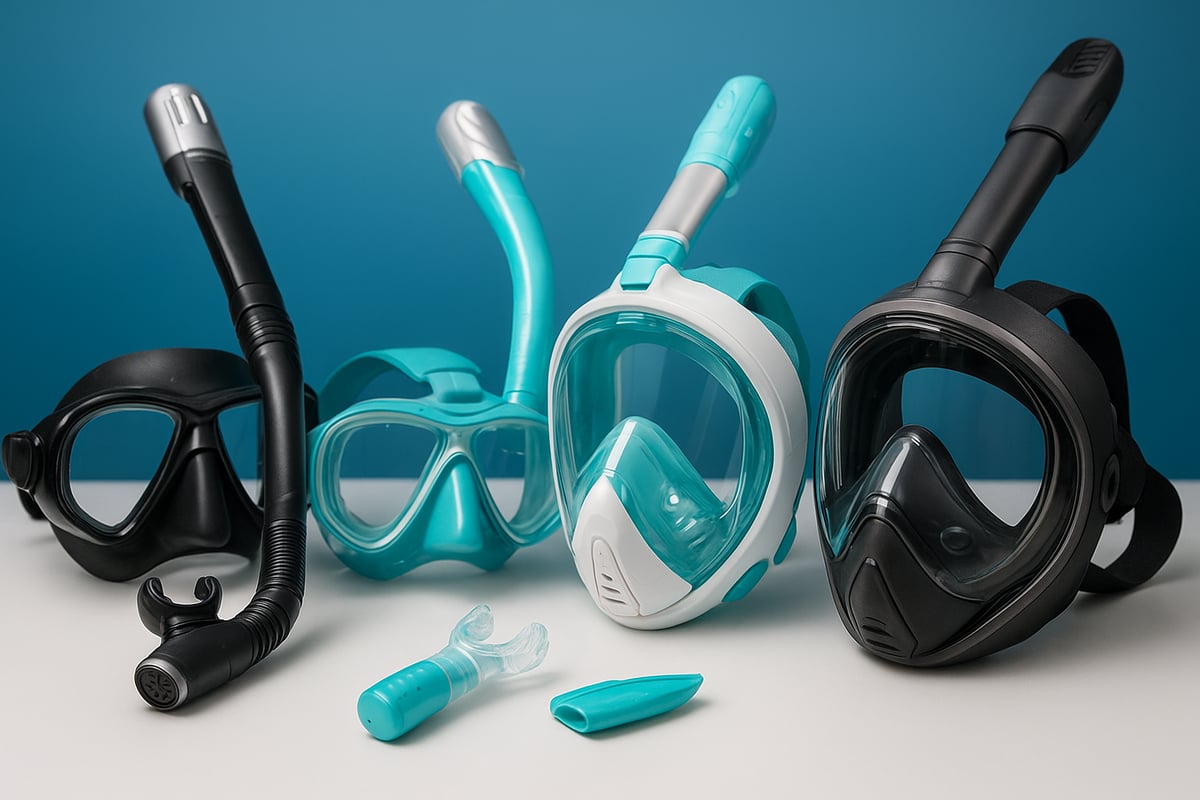
Evolution of Snorkel Masks: 2026 Updates
The journey of the snorkel mask has transformed the snorkeling experience for enthusiasts around the world. Traditional masks, typically featuring a separate mouthpiece and single or dual lenses, laid the groundwork for the innovations seen today. Since 2020, manufacturers have introduced enhanced anti-fog coatings and panoramic lenses, delivering clearer, wider underwater views. Integrated cameras have become more common, enabling snorkelers to effortlessly capture their adventures.
Full-face snorkel masks have surged in popularity. Their unique construction allows users to breathe naturally through both nose and mouth, which is ideal for beginners or casual snorkelers. Enhanced safety features, such as improved dry-top snorkel systems and advanced purge valves, have addressed previous concerns about water ingress and accidental flooding. Brands like Lung Sub-Mask have even integrated small portable cylinders, extending underwater breathing time and reducing the need for frequent surfacing.
Demand for snorkel mask options with integrated technology is on the rise, as seen in the expanding product lines from major brands like SCUBAPRO. These advancements have made snorkeling more accessible and enjoyable, while prioritizing user safety and comfort.
Types of Snorkel Masks: Pros and Cons
Choosing the right snorkel mask involves understanding the different types and their respective advantages. Single-lens masks offer an unobstructed field of vision, while dual-lens designs provide easier prescription lens customization. Panoramic or triple-lens masks maximize peripheral vision, enhancing the sense of immersion.
Frameless masks are valued for their lightweight build and flexibility, increasing comfort and reducing bulk. Framed masks, however, tend to be more durable and can maintain a consistent seal over time. Full-face snorkel masks are especially popular among beginners, as they simplify breathing and minimize jaw fatigue.
Prescription and custom-fit snorkel mask models cater to individuals who need vision correction, ensuring clear underwater sight. Material choice also matters: silicone skirts offer superior comfort and hypoallergenic properties compared to traditional rubber, while tempered glass lenses are more resistant to scratches than polycarbonate options.
| Mask Type | Pros | Cons | Best For |
|---|---|---|---|
| Single Lens | Wide view, simple design | Less customizable | General use |
| Dual Lens | Easy prescription fit | Slight visual separation line | Vision correction users |
| Panoramic/Triple | Enhanced peripheral vision | Bulkier | Scenic exploration |
| Frameless | Lightweight, flexible | Less durable | Travel, comfort seekers |
| Framed | Durable, consistent seal | Heavier | Frequent snorkelers |
| Full-Face | Natural breathing, anti-fog | Not for deep diving | Beginners, families |
Selecting the best snorkel mask depends on your unique needs, comfort preferences, and intended use.
Innovative Features to Look For
Modern snorkel mask designs incorporate features that enhance safety and enjoyment. Dry-top snorkel systems prevent water from entering the breathing tube, even when submerged. Purge valves make it easy to expel any water that does get inside, reducing discomfort and risk. Quick-adjust straps and ergonomic fit technologies ensure a snug yet comfortable seal, minimizing leaks.
Advanced lens coatings now offer UV protection, anti-scratch surfaces, and effective anti-fog properties. Integrated mounts for action cameras, such as GoPro, let users capture their underwater experiences with ease. The SCUBAPRO Synergy 2 Trufit Dive Mask, for instance, boasts a comfort strap and customizable colors, reflecting both function and personal style.
For a deeper look at emerging technologies and trends shaping the future of snorkel mask design, see Innovations in Snorkeling Gear.
By prioritizing these features, snorkelers in 2026 can select a snorkel mask that meets their safety requirements while maximizing comfort and underwater adventure.
Safety First: Essential Tips for Snorkel Mask Use
Before you set out to explore vibrant reefs or tranquil lagoons, safety with your snorkel mask is paramount. Whether you are a beginner or an experienced snorkeler, following best practices ensures every underwater adventure remains enjoyable and risk-free.
Pre-Use Safety Checklist
Before entering the water, always inspect your snorkel mask thoroughly. Examine the frame and lens for any cracks or scratches that might compromise safety. Check the skirt and straps for wear and ensure all parts are securely attached.
A proper seal is essential. Test the fit by gently pressing the snorkel mask to your face and inhaling slightly. If it stays in place without holding the strap, you have a good seal. Adjust the strap for comfort, but avoid overtightening.
Verify that purge valves and dry-top snorkel systems are functioning. Test these features in shallow water before venturing further. Always review the manufacturer’s safety guidelines, as each snorkel mask model may have unique requirements.
Recent statistics from the Snorkel Safety Study 2025 highlight that mask leaks and fogging are leading causes of discomfort and minor incidents. Regular checks help prevent these issues and support a safer experience.
Safe Breathing Techniques
Effective breathing is crucial when using a snorkel mask. For traditional masks, breathe slowly and deeply through your mouth. With full-face masks, inhale and exhale naturally, but stay alert for any resistance.
Be aware of the risk of CO2 buildup, especially with full-face designs. If you feel lightheaded or short of breath, exit the water immediately. Practice surface breathing with your snorkel mask before diving deeper, allowing your body to adapt to the new breathing pattern.
Never exceed the depth recommended by your snorkel mask manufacturer. Gradual acclimation is important, particularly for first-time users. Following these techniques will maximize comfort and minimize the risk of breathing difficulties.
Avoiding Common Hazards
Snorkeling alone increases risk. Always use the buddy system, keeping your partner within sight at all times. Stay aware of your surroundings, including water currents, sharp coral, and marine life.
If your snorkel mask floods, remain calm. Surface if possible, then lift the bottom edge of the mask and exhale gently to clear water. Practice this technique in shallow water to build confidence.
Many modern snorkel mask models include safety features for smooth transitions between surface and underwater breathing. Using these features effectively can help you manage minor issues without panic and enjoy your time underwater.
Special Considerations for Children and Beginners
Children and new snorkelers require extra attention when choosing a snorkel mask. Select masks designed for smaller faces and ensure a snug, comfortable fit. Supervise young snorkelers closely and provide basic safety training before entering the water.
Participation in snorkeling among families and children has increased significantly, according to industry trends. This growth emphasizes the importance of age-appropriate gear and attentive supervision.
Teaching beginners how to check their snorkel mask, breathe correctly, and respond to water entry ensures safe and positive experiences. With the right preparation, everyone can discover the underwater world with confidence.
Finding the Perfect Fit: Comfort, Sizing, and Prescription Options
Choosing the right snorkel mask is crucial for comfort and safety during every underwater adventure. A mask that fits well prevents leaks, reduces discomfort, and lets you focus on exploring. With the variety of options available in 2026, understanding how to find your perfect fit has never been more important.
How to Choose the Right Mask Size and Shape
Selecting the ideal snorkel mask starts with measuring your face. Use a soft tape to measure the distance from the bridge of your nose to your chin and across your cheekbones. This helps match your face to mask sizing charts.
To test the fit, gently press the mask against your face without using the strap. Inhale slightly through your nose. A well-fitting snorkel mask will create a gentle suction and stay in place. If it falls off or feels loose, try a different size or shape.
Popular mask shapes include single lens, dual lens, and panoramic designs. Each offers a unique field of vision. When choosing, consider your underwater needs and personal comfort.
Sizing Checklist:
- Measure nose-to-chin and cheekbone width.
- Perform the suction test without straps.
- Check that the skirt sits smoothly on your skin.
A properly sized snorkel mask is the foundation of a safe and enjoyable snorkeling experience.
Comfort Features and Adjustments
Modern snorkel mask designs in 2026 offer advanced comfort features. Soft silicone skirts provide a gentle seal, reducing pressure points and minimizing leaks. Adjustable nose pockets and wide-view lenses enhance comfort for long sessions in the water.
Look for quick-release buckles and comfort straps. These features allow fast adjustments and secure the snorkel mask without over-tightening. Many models also include anti-fog coatings and lens treatments for clear vision throughout your dive.
| Feature | Benefit |
|---|---|
| Silicone Skirt | Soft, leak-resistant seal |
| Comfort Strap | Even pressure distribution |
| Quick-release Buckle | Easy adjustments |
| Anti-fog Lens | Clear underwater view |
Prioritizing comfort features ensures your snorkel mask feels like a natural extension of your face, not a distraction.
Prescription Snorkel Masks: Clear Vision for Every Explorer
Clear underwater vision is vital for safety and enjoyment. For those who need vision correction, prescription snorkel mask options have expanded in 2026. You can choose from single vision, progressive, or reading lenses, all tailored to your specific prescription.
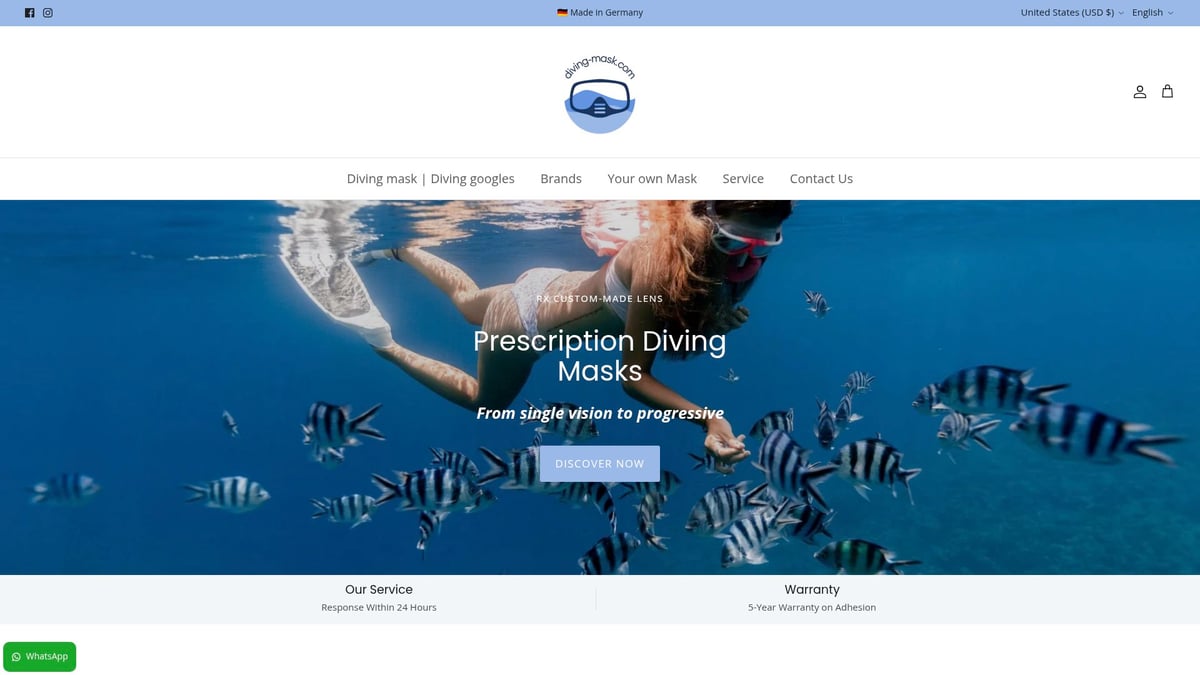
Custom-fit prescription snorkel mask solutions use precise measurements to bond corrective lenses directly to the mask. German craftsmanship and a 5-year warranty assure durability and optical clarity.
Prescription snorkel masks are available for both adults and children, making them perfect for family adventures. If you want a deeper look into the prescription options available, visit Prescription Snorkeling Goggles Explained for expert guidance on choosing the right solution.
With the right prescription snorkel mask, you can safely explore reefs, spot marine life, and share the excitement with clear confidence.
Fitting Tips for Unique Needs
Every face is unique, and snorkel mask manufacturers now offer solutions for a wide range of needs. If you have a small face, high cheekbones, or facial hair, look for masks designed specifically for your features. Some brands offer masks with extra-soft skirts or flexible frames for a tailored fit.
For those with braces or dental appliances, select a snorkel mask with a wider nose pocket and soft silicone skirt to prevent discomfort. Many users report positive experiences with custom-fit and prescription masks, especially in challenging fitting scenarios.
Tips for Unique Fits:
- Choose models labeled for small or narrow faces.
- Opt for flexible skirt materials for better sealing.
- Test several styles to find your ideal match.
A well-chosen snorkel mask allows every explorer, regardless of facial structure or vision needs, to enjoy the underwater world with comfort and confidence.
Step-by-Step Guide: Proper Use and Maintenance of Your Snorkel Mask
Preparing your snorkel mask correctly is essential for comfort, visibility, and safety. Follow these steps to ensure every underwater adventure starts on the right note.
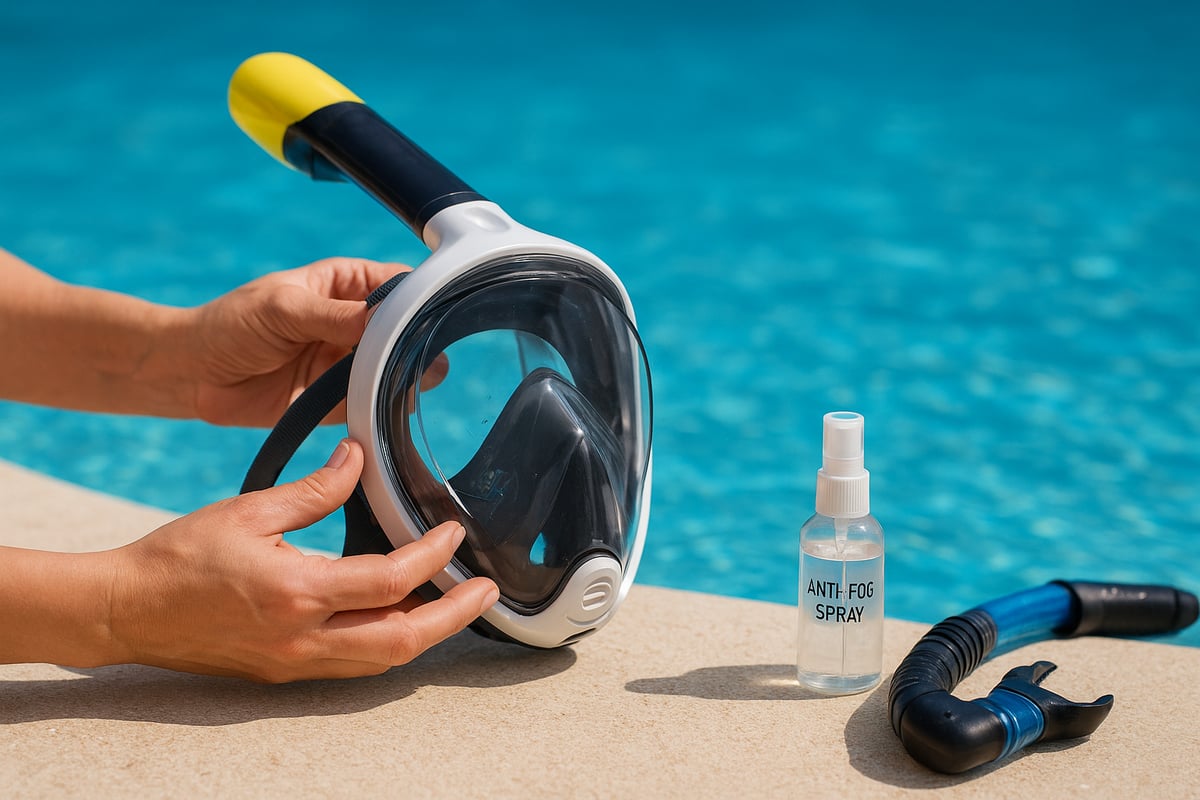
Preparing Your Mask Before Use
Start by cleaning your new snorkel mask to remove any factory residue. Use a gentle, non-abrasive cleaner or a diluted solution of mild dish soap and warm water. Rinse thoroughly to ensure no residue remains, as this can cause fogging or irritation.
Next, apply an anti-fog treatment before each use. Commercial sprays work well, but some snorkelers prefer home remedies like a thin layer of baby shampoo or diluted toothpaste. If fogging persists, consult detailed advice in the Preventing Snorkel Mask Fogging guide for proven solutions.
Adjust all straps and buckles for a snug yet comfortable fit. Check the skirt for any signs of damage and confirm the lens is free from scratches. Taking a few minutes to inspect and prepare your snorkel mask before entering the water can prevent common issues and ensure clarity throughout your session.
Donning and Adjusting Your Mask
Properly donning your snorkel mask is crucial for a secure, watertight seal. Begin by positioning the mask over your face, ensuring your hair is out of the way. Press the mask gently against your face and inhale slightly through your nose to create natural suction. If the mask stays in place without holding it, you have a good seal.
Adjust the straps evenly on both sides. The straps should rest above your ears and fit snugly, but not so tight that they cause discomfort. Avoid over-tightening, as this can distort the mask skirt and lead to leaks.
For full-face snorkel masks, follow the manufacturer’s guidelines for strap positioning and chin placement. If you need more detailed fitting instructions for these models, refer to the Full-Face Snorkel Mask Guide. Always double-check the seal before entering the water to ensure your snorkel mask will perform optimally.
In-Water Best Practices
When entering the water, keep your snorkel mask securely in place. Enter slowly, facing forward, to reduce pressure on the mask and prevent shifting. If needed, adjust the mask once you are floating, but avoid pulling on the skirt.
Equalize pressure by gently exhaling through your nose if you feel tightness. To clear water from your snorkel mask, tilt your head back and lift the bottom edge slightly, allowing water to drain out as you exhale. Practice relaxed, steady breathing through your snorkel to minimize leaks and fogging.
Stay calm and focus on your breathing rhythm. If you experience any discomfort or persistent fogging, briefly leave the water to readjust your snorkel mask and reapply an anti-fog solution if necessary.
Post-Use Cleaning and Storage
After each session, rinse your snorkel mask thoroughly with fresh water to remove salt, sand, and chlorine. Avoid using hot water or harsh chemicals, as these can degrade the materials. Gently dry the mask with a soft, lint-free cloth, paying special attention to the lens and skirt.
Store your snorkel mask in a cool, dry place away from direct sunlight. Use a protective case to prevent scratches and deformation. Periodically inspect for signs of mold or material wear, especially if the mask has been stored for an extended period.
Proper cleaning and storage routines help preserve the clarity, flexibility, and lifespan of your snorkel mask, making each future adventure safer and more enjoyable.
Maintenance Tips for Longevity
Regular maintenance is key to extending the life of your snorkel mask. Inspect all components, including straps, buckles, and valves, for signs of wear or damage. Replace any parts that show cracks, stretching, or corrosion.
If your lens becomes scratched or the skirt loses its flexibility, it may be time for a replacement. Up-to-date models are designed for durability, but attentive care will maximize their longevity. For ongoing fogging problems, revisit the Preventing Snorkel Mask Fogging article to explore advanced anti-fog strategies.
By following these maintenance tips, your snorkel mask will remain reliable, comfortable, and safe for years of underwater exploration.
Troubleshooting and Upgrading: Solving Common Mask Problems
Even the best snorkel mask can face challenges over time. Knowing how to troubleshoot common issues and when to upgrade ensures every underwater adventure is safe and enjoyable.
Dealing with Mask Fogging and Leaks
Fogging and leaks are the most frequent issues for any snorkel mask user. Fogging often results from temperature differences or residue left inside the lens. Leaks can be caused by improper fit, a damaged skirt, or hair caught in the sealing area.
| Problem | Common Causes | Simple Solutions |
|---|---|---|
| Fogging | Lens residue, no anti-fog | Use anti-fog spray, clean lens |
| Leaks | Poor fit, skirt damage | Adjust fit, inspect skirt |
To minimize these problems, always rinse your snorkel mask in fresh water and ensure a snug fit before entering the water. For persistent leaks or fogging, professional repair or replacement may be necessary.
Addressing Discomfort and Pressure Issues
A well-fitted snorkel mask should feel comfortable and secure. Discomfort, red marks, or pressure points are signs your mask may not be the right shape or size. Adjust the straps evenly, and check that the skirt sits flat against your face without pinching.
If you experience mask squeeze or skin irritation, try masks with softer silicone skirts or wider nose pockets. Sometimes, switching to a different style or size is the best solution. Regularly inspect the mask’s contact points to prevent ongoing issues with your snorkel mask.
Upgrading Your Snorkel Mask: When and Why
Knowing when to upgrade your snorkel mask is key to maintaining safety and comfort. Replace your mask if you notice persistent leaks, deep scratches, or outdated features. New 2026 models offer enhanced anti-fog coatings, panoramic lenses, and advanced breathing systems.
Upgrading to a full-face mask or adding prescription lenses can dramatically improve your experience. For a deeper dive into the latest innovations and set combinations, visit Snorkel Mask and Snorkel Set Insights for expert product comparisons and user tips.
Accessorizing for Enhanced Experience
The right accessories can elevate your snorkel mask performance. Popular add-ons include:
- Anti-fog sprays and lens wipes
- Comfort straps for easy adjustments
- Camera mounts for capturing underwater views
- Prescription lens inserts for clear vision
- Protective cases to prevent scratches
Choose accessories compatible with your snorkel mask model to maximize durability and enjoyment.
Expert Tips for a Safe and Enjoyable Snorkeling Experience
Before every trip, test your snorkel mask in shallow water to ensure proper function. Stay current with manufacturer recalls and safety updates. Consider joining snorkeling communities for peer advice and firsthand reviews.
For those considering full-face masks, review recent research and safety updates such as Full-Face Snorkel Mask Safety Concerns. Customer satisfaction ratings consistently show that proactive care and timely upgrades lead to safer, more enjoyable snorkeling.