
Lens Mask Guide: Essential Tips for 2026
Did you know that the right lens mask can transform your underwater experience in 2026? Clear vision beneath the surface is crucial for safety, comfort, and enjoyment, whether you are diving, snorkeling, or exploring new aquatic environments.
This guide delivers essential tips for selecting, using, and maintaining your lens mask. Discover the latest types, selection criteria for 2026, anti-fog and comfort technologies, care routines, and expert advice for perfect underwater vision.
Ready to make confident choices and enjoy every adventure? Dive into this comprehensive lens mask guide and see the underwater world with clarity and confidence.
Understanding Lens Masks: Types and Features
The lens mask is a cornerstone of any underwater adventure. Whether you are exploring coral reefs or training for your next freediving record, the right lens mask shapes your entire experience. Vision clarity and eye protection are not luxuries but essentials beneath the surface.
Unlike standard face masks, a lens mask integrates high-quality optical lenses directly into its design. This enhancement gives divers and snorkelers the sharpest possible view while minimizing distortion in the water. Recent data shows that over 90% of divers prefer masks with advanced lens technology, highlighting the growing demand for innovation and comfort.
What is a Lens Mask?
A lens mask is a specialized piece of equipment designed to provide clear underwater vision and safeguard your eyes from water, debris, and pressure. Unlike a basic face mask, a lens mask features built-in optical lenses that enhance visibility and reduce eye strain. This is crucial for activities like scuba diving, snorkeling, and freediving, where precise vision can make or break your experience.
The lens mask is engineered to fit snugly, creating a watertight seal that prevents leaks. Its primary function is to deliver superior visual clarity, ensuring you do not miss any detail beneath the waves. Whether you are a professional diver or a weekend snorkeler, the lens mask is a vital tool for safe and enjoyable underwater exploration.
Types of Lens Masks
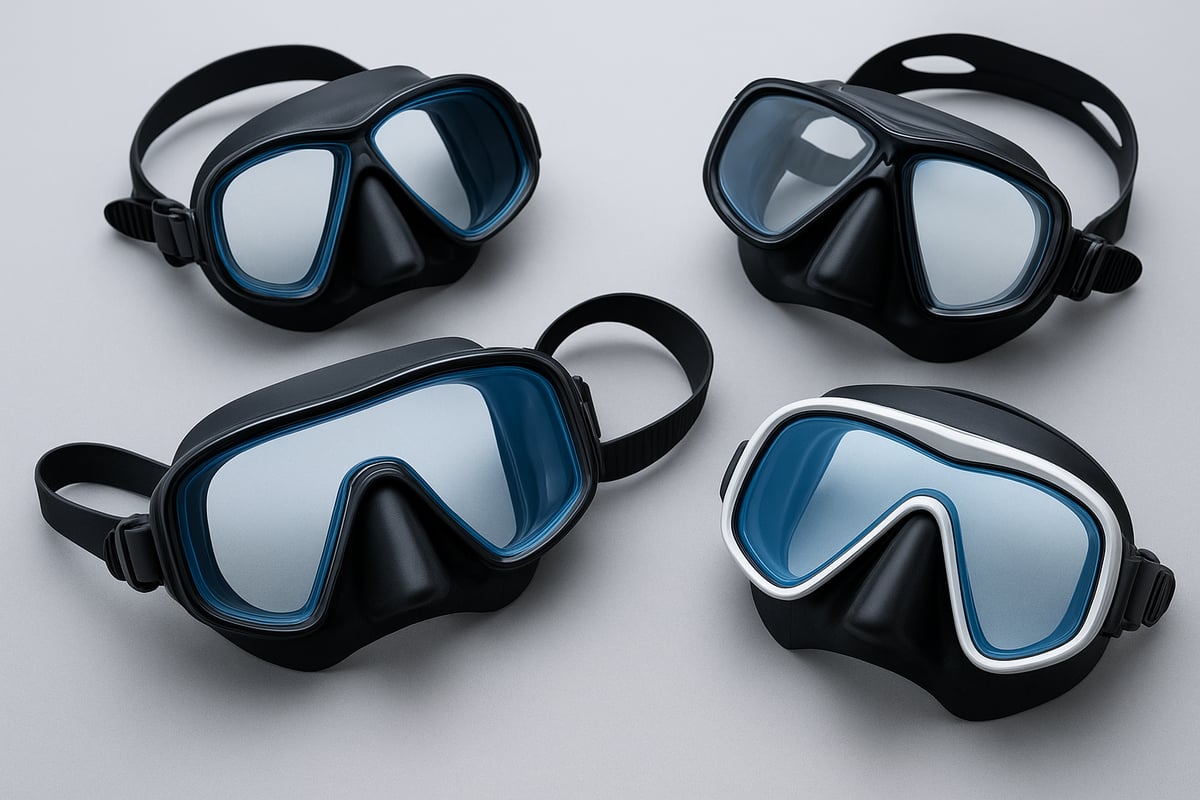
Lens masks come in several configurations, each offering unique benefits. Here is a quick overview:
| Type | Benefits | Best For |
|---|---|---|
| Single Lens | Panoramic view, minimal frame obstruction | Scenic dives, photography |
| Dual Lens | Easy prescription integration, lower volume | Vision correction, easy clearing |
| Tri-Lens/Full-Face | Expanded peripheral vision, comfort | Snorkeling, long sessions |
| Frameless | Lightweight, flexible, wide vision | Travel, flexible fit |
| Framed | Durable, stable structure | Technical diving |
| Prescription Lens | Custom vision correction | Divers needing glasses |
Single lens masks offer a broad, uninterrupted field of view, making them popular for underwater photography and sightseeing. Dual lens masks, on the other hand, allow for easier installation of prescription or corrective lenses, and their low internal volume makes them easier to clear.
Tri-lens and full-face designs expand peripheral vision and maximize comfort, especially for extended snorkeling sessions. Frameless masks are valued for their lightweight build and flexibility, while framed options provide added durability for demanding dives.
Prescription lens masks have surged in popularity, catering to those who require vision correction. Award-winning models like the Tidal Mask (Testers Choice 2025) and leading products from SCUBAPRO and Tidal Sports continue to set new standards for the lens mask market.
Key Features to Look For in 2026
When choosing a lens mask for 2026, several features should top your checklist:
- Anti-fog technology: Look for built-in films, replaceable coatings, or sprays that keep your lens mask clear, even during long dives.
- Lens materials: Options include tempered glass for HD clarity or tinted for glare reduction, as well as lightweight polycarbonate. Comparing lens types and glazing options can help you select the best material for your needs.
- Skirt materials: High-grade silicone skirts ensure a secure and comfortable seal, preventing leaks and pressure points.
- Adjustable straps and ergonomic design: A well-fitted lens mask provides unmatched comfort and stability.
- Sustainable packaging and eco-friendly materials: Many brands now use recycled plastics and reusable cases to minimize environmental impact.
- Accessory compatibility: Ensure your lens mask works with snorkels, camera mounts, and prescription inserts.
- Manufacturer warranties and return policies: Look for at least a 2-year warranty and flexible return options for peace of mind.
By focusing on these features, you can select a lens mask that will deliver clarity, durability, and comfort for all your underwater pursuits.
How to Choose the Best Lens Mask for You in 2026
Selecting the right lens mask in 2026 begins by identifying your unique underwater needs. Whether you are a scuba diver, snorkeler, freediver, or underwater photographer, each activity places different demands on your gear. Start by considering how you will use your lens mask most often. Remember, top brands offer an impressive 90% fit rate, but your individual face shape, size, and comfort preferences are crucial. If you require vision correction, factor in whether you need standard, prescription, or progressive lenses. Extended comfort is essential, especially for longer excursions. For example, many manufacturers now provide custom fit options to accommodate unique facial profiles, ensuring your lens mask feels secure and leak free during every adventure.
Assessing Your Needs and Activities
Start by pinpointing your main activity. Are you primarily scuba diving, snorkeling, freediving, or capturing underwater photos? Each pursuit influences your ideal lens mask. For scuba, a low-volume design is often best for ease of clearing and equalization. Snorkelers might prioritize a wide field of view and comfort for extended surface time. Freedivers typically need a lightweight, streamlined mask for reduced drag.
Face shape and size matter. Even with a high industry fit rate, a proper seal depends on your unique features. Some brands now offer custom fit solutions or universal fit designs for diverse facial profiles.
Vision correction is another consideration. Standard masks work for many, but prescription or progressive lens options are vital for those needing optical support. Ultimately, comfort during long sessions is key. Try multiple models, and do not hesitate to seek out brands that cater to specific needs for your lens mask.
Evaluating Lens and Skirt Options
When evaluating a lens mask, start with the lens configuration. Single lens masks provide a panoramic view and fewer frame obstructions, making them popular with photographers and recreational divers. Dual lens designs excel at integrating prescription lenses and typically have a lower internal volume for easier clearing.
Skirt color influences your underwater experience. Black skirts reduce glare and improve focus, especially in bright environments. Clear skirts offer a more open feeling and increased peripheral awareness. Lens tint is another factor. HD clear lenses are ideal for general use, while tinted options can enhance contrast in specific water conditions.
Refer to expert blogs for deeper insights on skirt and lens combinations. Divers often switch to black skirts after experiencing improved concentration and comfort. Always ensure your lens mask offers the right blend of visibility, fit, and adaptability for your diving conditions.
Advanced Technologies and Innovations for 2026
The 2026 lens mask market features remarkable advancements. Anti-fog technologies now include replaceable films, high performance sprays, and built-in coatings that keep your view clear throughout the dive. Low-volume designs have become more prevalent, offering easier clearing and a broader angle of vision.
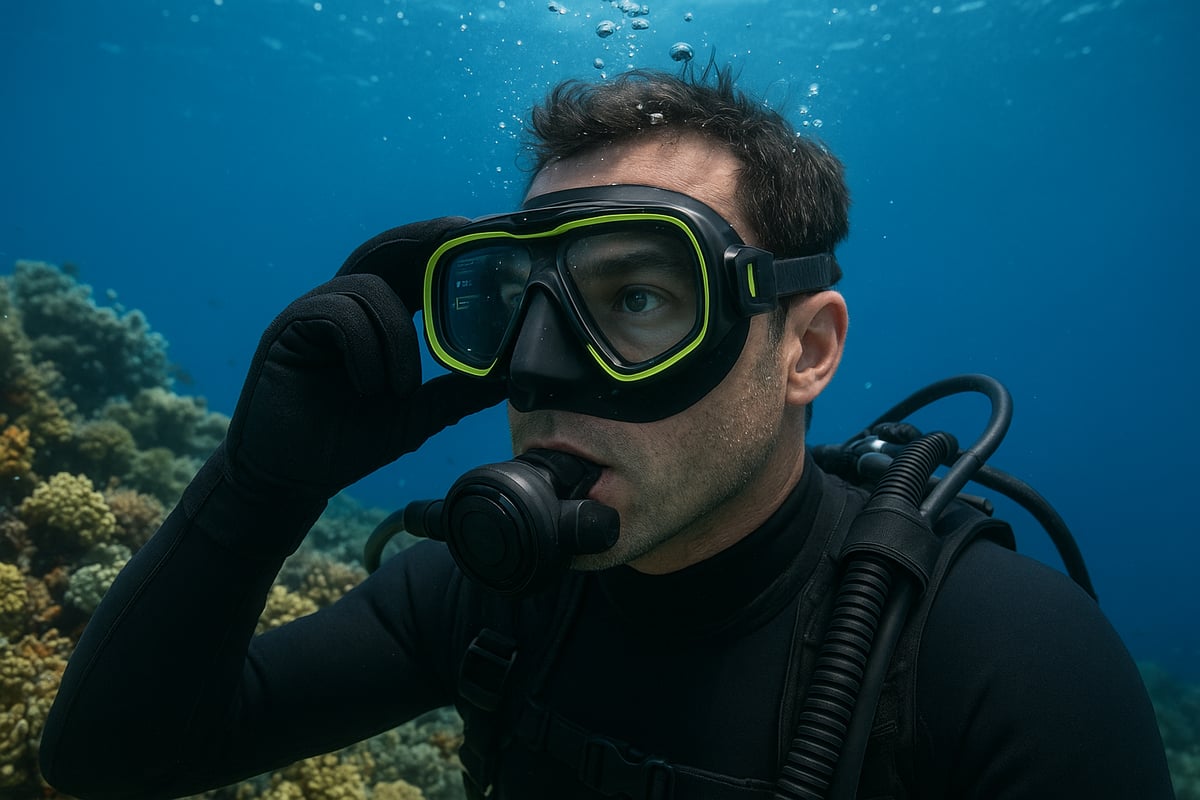
Some lens masks now integrate heads-up displays, such as the Galileo HUD, allowing real-time data and navigation underwater. Sustainable construction is another major trend, with many masks using recycled materials and eco-friendly packaging.
Comfort enhancements, like soft silicone straps and compact travel cases, are now standard. These innovations ensure your lens mask delivers exceptional performance, durability, and convenience, making it easier to focus on your underwater adventure.
Fit Testing and Comfort Checks
Proper fit is essential for any lens mask. Begin with a suction test: gently press the mask to your face without using the strap and inhale through your nose. If the mask stays in place, you have a good seal. Next, adjust the straps for even tension without over tightening, which can cause leaks or discomfort.
Check for pressure points and ensure no hair is trapped under the skirt. If you experience persistent leaks or discomfort, try alternate models or sizes. Many brands now offer universal fit masks, accommodating a wide range of facial shapes.
Take advantage of risk-free return policies, such as free 30-day trials, especially if you need a prescription lens mask. Trying before buying is strongly recommended for all users to guarantee comfort during real dives.
Prescription Lens Masks: Clear Vision for Every Diver
Prescription and progressive lens mask solutions allow divers and snorkelers to enjoy underwater clarity without compromise. Custom fitted prescription masks are available for a wide range of vision needs, including single vision and multifocal requirements. These masks are compatible with leading brands and offer robust construction, often built with precision German engineering for reliable, long lasting clarity.
Families and individuals seeking underwater vision correction appreciate global shipping options and long term warranties, such as a 5-year guarantee on lens adhesion. Investing in a prescription lens mask means you no longer need to worry about blurry underwater views. Whether for diving, swimming, or snorkeling, a prescription lens mask ensures that every adventure is sharp and enjoyable.
Step-by-Step Guide: Proper Lens Mask Use and Maintenance
A well-cared-for lens mask can make every underwater adventure clearer and more enjoyable. Whether you are a beginner or a seasoned diver, following the right steps for preparation, use, and maintenance will maximize both comfort and longevity. Let’s break down each stage to ensure your lens mask delivers peak performance every time.

Preparing Your Lens Mask for First Use
Setting up your lens mask properly before its first dive is crucial for optimal performance. Start by removing any manufacturer’s film or residue from the lens surface. This step ensures nothing obstructs your view once underwater. Next, apply an initial anti-fog treatment. Many divers use a gentle toothpaste rub to clean the lens, followed by a thorough rinse. Alternatively, specialized anti-fog sprays or films can be used, especially if your lens mask comes with these features.
Adjust the straps and silicone skirt to fit your face. A secure fit will prevent leaks and pressure points. Always check the seal by gently pressing the lens mask onto your face and inhaling lightly through your nose. If the mask stays in place without holding it, you have achieved a good fit. Before entering the water, double-check for any discomfort or areas where the skirt does not lay flat. For example, some premium models like the Tidal Mask include both anti-fog spray and replaceable films, making initial preparation even easier.
Donning and Adjusting Your Lens Mask
Putting on your lens mask correctly is essential to maintain comfort and prevent leaks throughout your dive. Begin by ensuring your hair is clear of the skirt area, as stray strands can break the seal. Place the lens mask on your face, positioning it evenly, then gently pull the strap over your head. Adjust the strap tension so the mask feels snug but not tight, avoiding excessive pressure on your face.
Check the seal again by lightly pressing the mask and inhaling through your nose. If the mask remains secure, it is properly sealed. Practice equalizing pressure by exhaling gently through your nose, which prevents mask squeeze as you descend. If you use accessories like snorkels or camera mounts, attach them before entering the water to ensure everything fits comfortably. Divers planning cold water adventures should rehearse donning their lens mask while wearing gloves, as this can affect fit and ease of adjustment.
Underwater Use: Maximizing Comfort and Visibility
Once submerged, maintaining comfort and visibility is vital. If a small amount of water enters your lens mask, clear it by tilting your head back slightly and exhaling through your nose while lifting the bottom edge. This technique efficiently removes water without removing your mask. To combat fogging, use your mask’s built-in anti-fog features, or rinse the lens with water as needed during your dive.
Adjust the strap or skirt if you feel any discomfort or detect leaks. Take a moment to reseal the lens mask if necessary. Pay attention to any pressure points, especially during longer dives. Advanced anti-fog technologies in modern masks help reduce fogging, and many divers report a significant improvement in clarity with these upgrades. Monitor your lens mask throughout the dive to ensure a consistently clear and comfortable experience.
Post-Dive Care and Cleaning
Proper care after each dive is essential for extending the life of your lens mask. Immediately rinse the mask with fresh water to remove salt, sand, or chlorine. Use a mild soap or a dedicated mask cleaner to gently clean the lens and silicone skirt. Avoid abrasive materials that could scratch the lens or damage the skirt. Dry the lens mask thoroughly before storing it in a protective case, which helps prevent scratches and deformation.
Regularly inspect your lens mask for signs of wear, such as cracks, degraded films, or stretched straps. For extra guidance on cleaning and maintenance routines, consult a lens mask care and maintenance guide for best practices. Storing your mask in a reusable EVA case, like those offered by Tidal Mask, adds another layer of protection, ensuring your gear remains in top condition for each adventure.
Long-Term Maintenance and Troubleshooting
Long-term performance of your lens mask depends on consistent maintenance and timely troubleshooting. Replace anti-fog films or apply new coatings as recommended by the manufacturer. Periodically check and swap out straps or buckles that show signs of wear. If you notice persistent leaks or fit issues, reassess the skirt and strap adjustment, or consult a professional for repairs.
Knowing when to seek professional help is important. If your lens mask develops cracks, deep scratches, or if the anti-fog technology no longer works, it may be time for a replacement. Many manufacturers offer warranties, such as a 2-year coverage for defects, providing added assurance. By maintaining your lens mask properly, you ensure clear vision and safety on every dive.
Latest Lens Mask Technologies and Trends for 2026
The lens mask market is evolving rapidly as new technologies and changing consumer demands shape the future of underwater vision. In 2026, divers and snorkelers have more innovative options than ever, with a strong focus on clarity, comfort, sustainability, and integrated tech. Let us explore the latest trends and breakthroughs set to define the next generation of lens mask performance.
Anti-Fog and Clarity Innovations
Recent years have seen remarkable improvements in lens mask anti-fog and clarity technology. Proprietary anti-fog films, such as those found in the latest SEAC models, offer enhanced performance and durability for clear vision on every dive. According to user reviews, masks with built-in anti-fog elements experience 30 percent fewer complaints about fogging compared to traditional designs.
Manufacturers are introducing replaceable anti-fog elements, so divers can maintain top performance throughout the lifespan of their lens mask. HD clear and tinted lenses are now standard, providing improved color contrast and visibility in diverse underwater conditions. For those interested in the latest breakthroughs, SEAC's New Anti-Fog Mask Technology showcases how advanced coatings are reshaping the market.
Comfort, Fit, and Sustainability
Comfort and fit have become primary considerations for any lens mask in 2026. Ultra-soft silicone skirts now form a secure, gentle seal on a wider range of face shapes, minimizing leaks and pressure points. Adjustable, ergonomic straps allow users to achieve a customized fit, which is especially important for long dives or frequent use.
Sustainability is also a major trend. Many brands now use recycled plastics in their mask frames and package lens mask products in reusable cases or glassine paper. Lightweight, low-profile designs reduce drag in the water, making the lens mask more comfortable and efficient for both recreational and professional divers. Eco-friendly manufacturing methods are not just a bonus, they are increasingly expected by consumers.
Integration with Technology and Accessories
Technology integration is transforming the underwater experience. Modern lens mask models can include heads-up displays that provide real-time data, such as depth, time, and navigation cues, directly in the diver’s field of vision. These features improve safety and convenience for divers at all levels.
Accessory compatibility is another hallmark of 2026’s best lens mask offerings. Integrated camera mounts make it easy to capture underwater memories, while many designs support corrective lenses and custom inserts. Additional accessories, like strap covers, replacement anti-fog films, and protective travel gear, help enhance the lens mask’s functionality and extend its lifespan.
Market Trends and Consumer Preferences
The lens mask market is witnessing a significant shift toward vision correction and sustainability. Demand for prescription and progressive lens mask solutions is growing, as more divers seek clear, comfortable underwater vision tailored to their needs. Universal fit and comfort are top priorities, with award-winning models often receiving praise for their anti-fog performance and long-term durability.
Industry forecasts indicate a strong upward trend in the global market, with growth driven by innovation and consumer awareness. For more insight, the Global Scuba Mask Market Growth Forecast highlights how increasing interest in advanced features is shaping the future of lens mask design and sales.
Expert Tips for Lens Mask Selection and Care
Choosing the right lens mask is an art and a science. Dive professionals emphasize that comfort, clarity, and functionality are non-negotiable. The perfect lens mask should feel like a natural extension of your face, providing a clear window to the underwater world. Let us explore how to make the best selection and keep your gear in peak condition.
Insider Advice from Dive Professionals
Dive experts agree: prioritize fit over brand or price. A well-fitting lens mask can make or break your underwater adventure. Test different models to find one that seals comfortably, even before considering features. Professionals recommend focusing on masks with soft silicone skirts and wide fields of view for both beginners and experienced divers.
For extended trips, always pack a backup lens mask and maintenance kit. Clean your mask thoroughly after each dive, and never skip the anti-fog treatment. Avoid overtightening the straps, as this can cause leaks and discomfort. Listening to experienced divers can greatly improve your lens mask experience.
Common Mistakes and How to Avoid Them
Many divers make avoidable errors with their lens mask. Here are the most common mistakes, with tips to help you steer clear:
- Skipping the fit test before purchase.
- Using abrasive cleaners that scratch the lens.
- Neglecting regular anti-fog maintenance.
- Storing your mask in direct sunlight or a non-protective case.
Each of these habits can shorten the life of your lens mask and diminish performance. Taking the time to properly care for your lens mask ensures clarity and comfort every time you dive.
Maximizing Mask Longevity
To extend the lifespan of your lens mask, follow a consistent maintenance routine:
| Care Step | Frequency | Benefit |
|---|---|---|
| Rinse after each dive | Every use | Removes salt, sand, and debris |
| Clean with mild soap | Weekly | Prevents buildup |
| Store in protective case | Every time | Avoids scratches and warping |
| Inspect for damage | Monthly | Early detection of issues |
Use only manufacturer-recommended cleaners on your lens mask. Regularly replace worn straps and buckles. With proper care, a high-quality lens mask can last for years, retaining both fit and clarity.
When to Upgrade Your Lens Mask
Knowing when to replace your lens mask is vital for safety and enjoyment. Signs you need a new mask include persistent leaks, deep scratches, or degraded anti-fog films that cannot be restored. If you notice discomfort or reduced visibility, it is time to explore newer models.
Technological advances, such as superior anti-fog coatings and ergonomic designs, mean upgrading can deliver significant benefits. Divers who switch to modern masks report improved satisfaction and fewer issues. For an in-depth look at the latest features and top-rated models, check out the Top Dive Masks of 2025.
Resources for Further Learning
For ongoing education and expert insights on lens mask care, consider these resources:
- Manufacturer blogs and official buying guides
- Community forums and real diver reviews
- Training agencies’ recommendations (PADI, NAUI)
- Product comparison sites for the latest innovations
Staying informed helps you make the best lens mask choices for years of safe and enjoyable diving.