Vision Corrective Scuba Mask Guide: Expert Insights for 2026
Imagine gliding beneath the waves in 2026, where every detail of the underwater world is vivid and clear. For many divers, achieving this level of clarity is only possible with the right vision corrective scuba mask. As more people seek tailored optical solutions, the demand for advanced masks continues to grow.
Recent innovations now make it possible for divers with any prescription to enjoy crystal-clear views, enhancing both safety and enjoyment. This guide offers expert-backed advice on how to choose and use a vision corrective scuba mask that fits your needs.
You will learn about common underwater vision challenges, the latest mask technologies, step-by-step selection tips, maintenance best practices, expert insights, and the trends shaping the future of underwater vision.
Understanding Underwater Vision Challenges
Imagine descending into blue depths and realizing your view is blurred or distorted. This is a common experience, even for divers who wear glasses or contacts on land. The unique environment underwater presents challenges that make clear vision a critical safety and enjoyment factor for every diver, regardless of prescription.
The Science of Underwater Vision
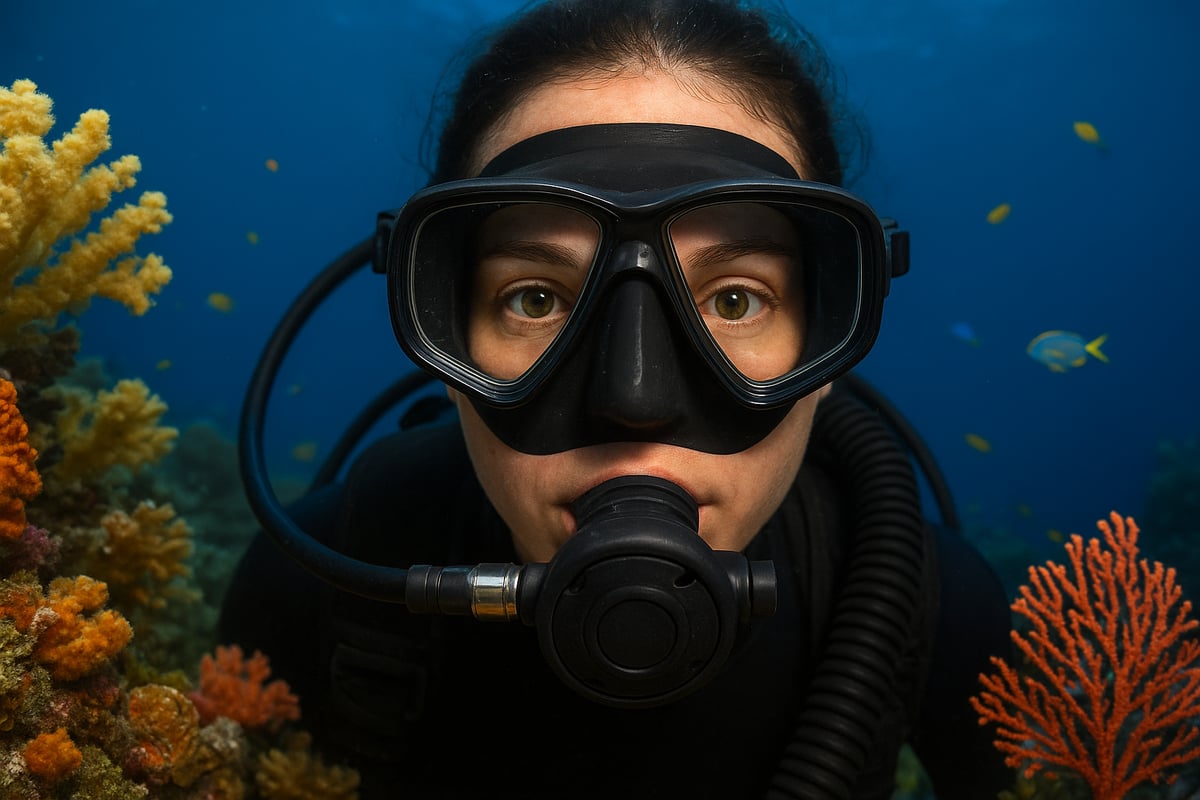
Light behaves differently underwater, which is why vision becomes blurry for many divers. When light passes from water into the air space inside a mask, it bends, causing objects to appear closer and larger than they really are. This refraction distorts vision for both corrected and uncorrected eyes, making it difficult to judge distances or see details clearly.
Water is denser than air, further complicating how we perceive shapes and distances. According to Dive Magazine (2023), 60% of divers report vision issues without corrective lenses. For example, nearsighted divers may find it challenging to read gauges or their dive computer, while farsighted divers often struggle to spot distant marine creatures.
These challenges make the need for a vision corrective scuba mask obvious. For a deeper dive into the science and solutions, refer to this corrective lens dive mask guide.
Common Vision Problems Among Divers
Divers bring a range of vision needs underwater. Myopia (nearsightedness), hyperopia (farsightedness), and astigmatism are all common in the diving community. As people age, presbyopia—a gradual loss of near focusing ability—becomes more prevalent, especially for those over 40.
A case study illustrates this: One diver with astigmatism reported frequent headaches and disorientation after dives. This was traced back to inadequate vision correction. Data from the Scuba Diving Trends Report (2024) shows that about 1 in 4 recreational divers use some form of vision correction.
A vision corrective scuba mask can address these diverse needs, enabling divers to enjoy their underwater adventures without visual strain.
Safety and Enjoyment Risks
Poor underwater vision can lead to significant risks. Misreading gauges, missing hand signals, or making navigation errors are all more likely if your vision is not properly corrected. For underwater photographers or marine life enthusiasts, blurry vision can mean missed opportunities and frustration.
Incident reports have linked accidents and near-misses to inadequate vision correction. For example, a diver who could not clearly see his pressure gauge surfaced too quickly, risking decompression sickness. The right vision corrective scuba mask is essential not only for safety but also for making the most of each dive.
Choosing the proper mask ensures divers stay alert, respond quickly to signals, and fully experience the underwater world.
The Evolution of Vision Correction in Diving
Early divers often relied on makeshift solutions like stick-on lenses or generic magnifiers. These methods provided limited help and were not tailored to individual needs. Over time, advancements brought custom prescription masks and progressive lenses, offering seamless correction for a wider range of vision challenges.
The market for prescription masks has seen a 20% annual increase in sales, according to the Global Dive Equipment Report (2025). Modern technology now enables the creation of a vision corrective scuba mask for almost any prescription, including high-index and astigmatism corrections.
Today, divers benefit from a much broader selection of options that provide both safety and enjoyment. The evolution of these solutions highlights the importance of choosing the right mask for your unique needs.
Types of Vision Corrective Scuba Masks
Choosing the right vision corrective scuba mask is crucial for both safety and enjoyment underwater. With a range of advanced options available in 2026, every diver can find a solution tailored to their unique needs. Let’s explore each category to help you make an informed decision.
Single Vision Masks
A single vision corrective scuba mask is designed for divers who require correction for either distance or near vision, but not both simultaneously. These masks are ideal for those with simple prescriptions, such as mild myopia or hyperopia.
For example, a diver who primarily needs to see their gauges clearly might choose a mask with single vision reading correction. Likewise, if distant clarity is the priority, a single vision mask for distance will suffice. These masks are widely available and often offer quick turnaround times.
The vision corrective scuba mask in this category provides straightforward optical support and is often the most budget-friendly solution for uncomplicated vision needs.
Bifocal and Gauge Reader Masks
For divers who need both distance and close-up correction, bifocal and gauge reader masks deliver essential versatility. These masks feature dual-zone lenses: the upper part for distance vision and the lower segment for reading gauges or dive computers.
Technical divers and those who frequently monitor instruments benefit greatly from this vision corrective scuba mask type. The design allows seamless transitions between observing marine life and checking equipment, minimizing the risk of missing critical readings.
Bifocal and gauge reader masks are particularly popular among divers experiencing presbyopia or those who want enhanced safety without sacrificing underwater exploration.
Progressive Prescription Masks
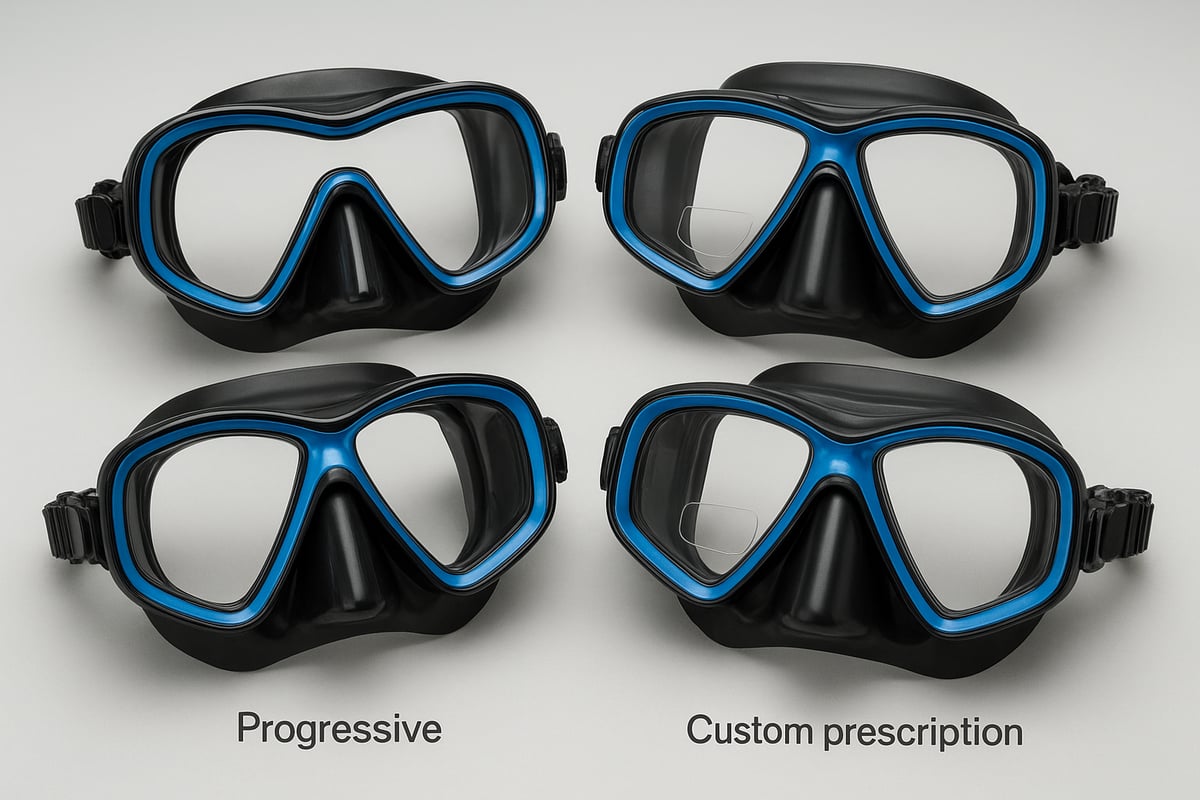
Progressive prescription masks offer a modern solution for divers with multifocal needs. Unlike bifocals, these masks provide a smooth, gradual transition between distance, intermediate, and near vision zones. This results in a more natural viewing experience underwater, with no visible lens lines or abrupt changes.
Divers with presbyopia or complex vision profiles often choose this vision corrective scuba mask for maximum comfort and adaptability. Progressive lenses are also ideal for those who find bifocals distracting or limiting.
To learn more about the benefits and technology behind these lenses, visit Progressive prescription dive masks. These masks represent the cutting edge of underwater vision enhancement.
Custom Prescription Masks
Custom prescription masks are crafted to match each diver’s exact optical requirements, including astigmatism or high-index prescriptions. These masks can be tailored to fit a variety of face shapes and are compatible with many popular mask models.
A custom vision corrective scuba mask is especially valuable for divers with strong or complex prescriptions that cannot be met by standard solutions. The process typically involves submitting a recent prescription and working with specialists to ensure a precise fit.
With custom masks, divers gain optimal clarity and a more comfortable underwater experience, even in challenging conditions or with unique vision demands.
Off-the-Shelf vs. Custom Solutions
When selecting a vision corrective scuba mask, divers can choose between off-the-shelf and custom solutions. Off-the-shelf options are readily available, often at a lower cost and with faster delivery. However, they may not fit all face shapes or accommodate more complicated prescriptions.
Custom solutions, while more expensive, provide superior fit and optical accuracy. According to recent surveys, 70% of divers with strong prescriptions prefer custom masks for their precise correction and comfort.
Consider your vision needs, budget, and frequency of diving when deciding between these two approaches to ensure the best possible underwater experience.
Step-by-Step Guide: How to Choose the Right Vision Corrective Scuba Mask
Selecting the perfect vision corrective scuba mask is crucial for both safety and the enjoyment of underwater adventures. Follow this structured guide to ensure the best possible fit, clarity, and long-term satisfaction with your mask choice.
Step 1: Assess Your Vision Needs
Begin your search for a vision corrective scuba mask by scheduling a recent eye exam. An up-to-date prescription is essential, as even minor changes in your vision can impact underwater performance.
Determine if you require distance, near, or multifocal correction. Divers with astigmatism or presbyopia should discuss their specific needs with an optometrist experienced in dive optics.
Ask your eye care professional about your diving habits. For instance, do you focus more on reading gauges or observing marine life? This information helps narrow down the ideal vision corrective scuba mask for your unique requirements.
Step 2: Research Mask Compatibility
Not every dive mask can accommodate prescription lenses. When choosing your vision corrective scuba mask, look for models with flat-front lenses, which are most compatible with corrective options.
Research leading brands such as Atomic, Cressi, Mares, Tusa, and Scubapro. Each offers masks designed to work seamlessly with prescription inserts.
Try different masks to ensure a comfortable fit. Remember, a vision corrective scuba mask should accommodate both your prescription and your facial structure for optimal performance.
Step 3: Decide on Lens Type
The next step is to choose the right lens type for your vision corrective scuba mask. Options include single vision, bifocal, progressive, or fully custom lenses.
Single vision masks are ideal for straightforward distance or reading correction, while bifocal and progressive lenses cater to divers with more complex needs. Those with astigmatism or high prescriptions may benefit from custom solutions.
Stay informed about the latest technology and trends by exploring resources like Advancements in Prescription Dive Masks. This guide outlines new materials and digital manufacturing methods that enhance the accuracy and comfort of your vision corrective scuba mask.
Step 4: Consider Fit, Comfort, and Seal
A proper fit is crucial for your vision corrective scuba mask. Test several masks in-store or at home to ensure a snug, leak-free seal.
Look for soft, high-quality silicone skirts that mold gently to your face. A poor fit can lead to leaks or fogging, which compromises both safety and enjoyment.
If you wear your vision corrective scuba mask for extended periods, prioritize comfort. Even slight discomfort can detract from your underwater experience.
Step 5: Evaluate Additional Features
Modern vision corrective scuba masks offer a variety of features to enhance your dive. Look for anti-fog coatings to maintain clear vision and UV protection to shield your eyes from harmful rays.
Consider scratch-resistant lenses for durability. Decide between frameless and framed designs based on your preference for field of view and mask flexibility.
Some vision corrective scuba masks also include color correction lenses, which improve contrast and help you better appreciate underwater scenery.
Step 6: Budget and Warranty Considerations
Budget is a key factor when selecting your vision corrective scuba mask. Prices vary widely between off-the-shelf and custom options.
Evaluate the value of long-term warranties and reliable after-sales support. A mask with a solid warranty can save you money if repairs or adjustments are needed.
Compare costs and benefits carefully. While custom vision corrective scuba masks may require a higher initial investment, they often deliver superior optical accuracy and fit.
Custom Prescription Dive Masks: The Diving Mask Advantage
Diving Mask stands out as a premier provider of custom vision corrective scuba masks. Their German-engineered products are known for precision and durability.
With a 5-year warranty on lens bonding and responsive customer support, Diving Mask caters to divers with unique or strong prescriptions that standard products cannot address.
Their compatibility with a wide range of leading mask brands ensures that every diver can find a vision corrective scuba mask tailored to their exact specifications, supporting safety and enjoyment on every dive.
Care, Maintenance, and Longevity of Vision Corrective Masks
Taking care of your vision corrective scuba mask is essential if you want to enjoy clear underwater views for years to come. Proper maintenance not only preserves optical clarity but also ensures that your investment lasts dive after dive.
Daily and Post-Dive Care
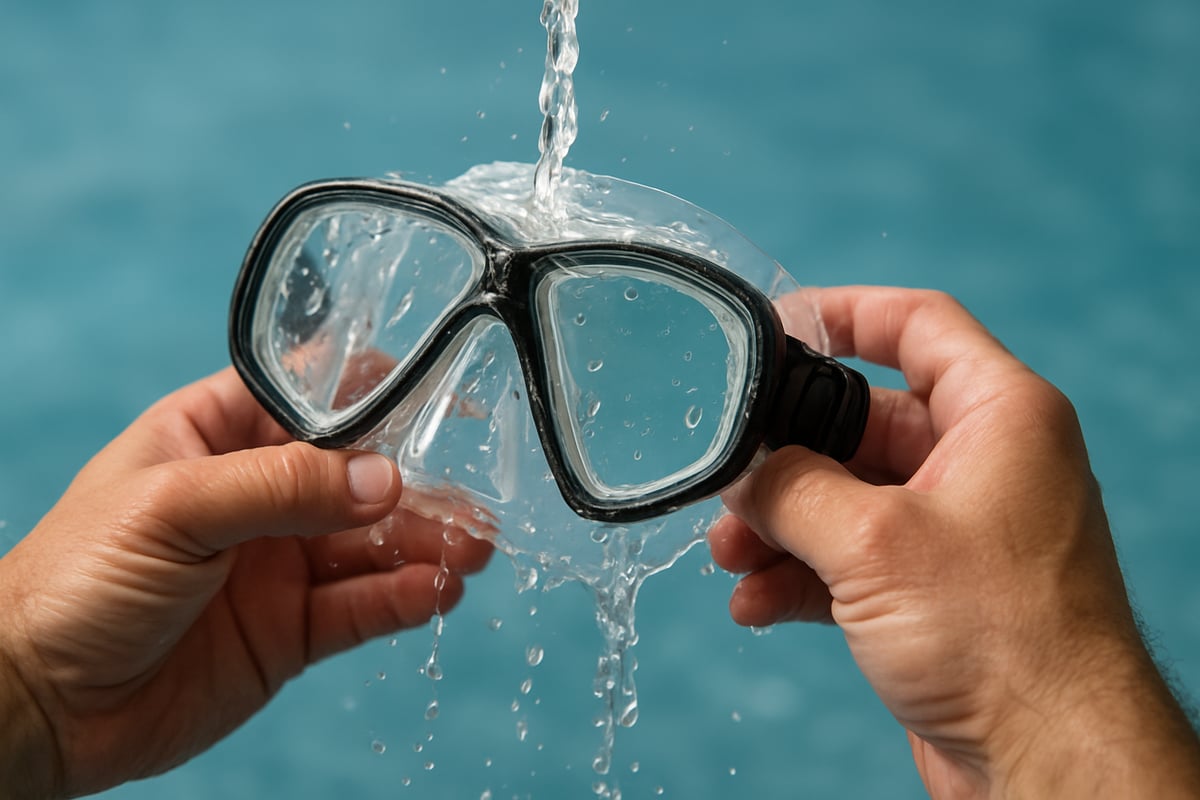
Rinsing your vision corrective scuba mask with fresh water after every dive is the most important habit for long-term clarity. Salt, sand, and chlorine can harm both the lens coatings and the silicone skirt if left unchecked. Always use lukewarm, clean water, and avoid any harsh chemicals or detergents.
Gently rub the mask with your fingers to remove debris, then let it air dry in a shaded area. Never use towels or tissues, as they may scratch the lenses. Store your mask in a ventilated case to prevent mold and mildew buildup. Regular cleaning keeps the lens free from residue and maintains the seal integrity, which is vital for a leak-free dive.
By building these routines into your post-dive ritual, you extend the life of your vision corrective scuba mask and keep every underwater adventure sharp and safe.
Preventing Fogging and Scratches
Fogging is a common issue, but it can be managed with the right approach. Apply a recommended anti-fog solution before each dive, and always rinse thoroughly to avoid streaks. Never use toothpaste or abrasive cleaners, as they can damage coatings on your vision corrective scuba mask.
When not in use, store your mask in a hard protective case to guard against accidental drops and scratches. Avoid leaving the mask exposed to direct sunlight, as UV rays can degrade both the lenses and the silicone skirt over time.
Common mistakes to avoid include touching the inside of the lens with fingers, which leaves oils that promote fogging, and stacking heavy gear on top of your mask in your dive bag. Simple precautions like these will help maintain the optical quality of your vision corrective scuba mask for many seasons.
Inspection and Maintenance Routines
Regular inspection is critical for every vision corrective scuba mask. Check lens adhesion and ensure there are no cracks or loose sections in the frame. Examine the silicone skirt for any signs of wear or hardening, which can compromise the seal.
Look for leaks or fogging during test fits before each dive. If you notice any damage or if the lens feels unstable, consult a dive professional for repair or replacement. Early detection of issues keeps your mask reliable and safe.
Maximizing Mask Lifespan
Follow manufacturer recommendations for both care and replacement intervals. Exposure to saltwater, chlorine, and sunlight can shorten the lifespan of a vision corrective scuba mask if not managed correctly.
With proper care, most prescription masks last between three and five years, according to recent maintenance studies. By investing time in regular upkeep, you protect both your vision and your equipment, ensuring every dive is as clear as the first.
Expert Insights and Innovations for 2026
The world of the vision corrective scuba mask is rapidly evolving. Breakthroughs in technology, customization, and safety standards are shaping the diving experience for 2026. Let us explore the latest advancements and what they mean for divers seeking optimal underwater vision.
Advances in Lens Technology
Recent innovations have propelled the vision corrective scuba mask into a new era. Manufacturers are now using lighter, more durable materials that offer unprecedented optical clarity. Digital lens manufacturing ensures each prescription is produced with pinpoint accuracy, minimizing distortion and maximizing comfort.
One of the most promising developments is the introduction of adaptive lenses and smart coatings, which adjust to changing underwater light and pressure conditions. This technology enhances the user’s field of vision and reduces eye fatigue during extended dives.
Researchers are also exploring fluidic lens manufacturing, a method that could make custom lenses more accessible and affordable. For an in-depth look at this emerging technology, see Fluidic Lens Manufacturing in Low-Resource Settings. These advances are redefining what is possible for every vision corrective scuba mask.
Customization Trends and User Experience
Customization is becoming a central focus in the vision corrective scuba mask market. Divers can now benefit from fully personalized masks, with 3D face scanning technology ensuring a perfect fit for every facial contour. This precise approach eliminates common issues like leaks and discomfort, creating a tailored experience for each user.
Personalization also extends to aesthetics and lens features. Users can select lens tints, anti-reflective coatings, and even designs that match their style. A recent case study highlighted divers who reported dramatically improved comfort and underwater performance after switching to custom-fitted masks.
With these trends, the vision corrective scuba mask is no longer a one-size-fits-all product, but a bespoke solution tailored to each diver’s unique needs.
Safety, Regulation, and Certification Updates
Safety is paramount for any vision corrective scuba mask. In 2026, updated ISO standards are guiding the design and certification of prescription dive masks. These regulations ensure that masks meet strict criteria for lens accuracy, material safety, and overall performance.
Regulatory changes are also impacting how masks are marketed and sold. Certified products now carry clear labeling, making it easier for divers to identify high-quality and compliant equipment. For those considering a new vision corrective scuba mask, it is essential to verify that the product meets current safety and certification standards.
Future Market Outlook
The future looks bright for the vision corrective scuba mask industry. Global demand is surging, driven by the expansion of online customization and remote fitting services. These innovations are making it easier than ever for divers to access personalized solutions, regardless of location.
According to recent projections, the global market for prescription dive masks is expected to reach $250 million by 2027. For more details on market growth, visit Global Scuba Mask Market Growth. As technology continues to advance, the vision corrective scuba mask will play an even greater role in ensuring safety and enjoyment for divers everywhere.